Is a trustee operating in their own interests?
On Behalf of Zigray Law Office, LLC | Sep 19, 2022 | Breach Of Fiduciary Duty
Most people give a lot of thought to whom they appoint as a trustee. Despite this, some trustees turn out to be dishonest and see their position as a means to make money.
Some may do so because that’s how they always are. Others do it because they find themselves in a desperate situation and fall into temptation.
Trustees have a fiduciary duty
Anyone who accepts the role of a trustee must put personal interests aside and make decisions based on what is best for the trust’s beneficiaries. If they do not, the beneficiaries could ask a court to remove them for breaching their fiduciary duty.
How they invest matters
Trustees typically need to invest the trust’s assets to increase their value. With so many places available to invest, they might not always make decisions that you, as a beneficiary, agree with. Does that mean you can challenge them? It depends.
Trustees should be able to explain their decisions to you
Making the best investment choices is not straightforward. Even those with decades of experience make choices that turn out to be wrong in hindsight. Just because your trustee made a poor choice, that does not mean they have breached their duty to you.
However, you may be able to remove them is if they make a series of poor choices or if there is evidence that they are making decisions based on personal interests. An example would be if they invest the trust’s assets in a company they have ties to or receive a commission from.
If you suspect that a trustee is putting their interests above yours, seek legal help to find out whether you have grounds to seek their removal.
ESTATE AND PROBATE HELP THROUGHOUT OHIO
What if a will contradicts a beneficiary designation?
On Behalf of Zigray Law Office, LLC | Sep 15, 2022 | Probate Litigation
There are several ways that people can legally specify to whom they wish to leave particular assets. While a will is the best known and most commonly used of these options, it is not necessarily the strongest.
One situation where problems can occur is when a person forgets that they made a beneficiary designation for a specific asset.
Here is an example:
Rodney divorces Marilyn and, several years later, marries Jenny
Rodney decides he wants to leave everything to Jenny when he dies, so he updates his will to say so, removing any mention of Marilyn.
Provided the new will is properly written, then Jenny should get “everything.”
The problem comes when some of those assets are already accounted for elsewhere via beneficiary designations.
If Rodney opened a life insurance policy back when he was married to Marilyn, there is a good chance he named her as the beneficiary. Unless he went in and removed her from it, she still stands to get the payout, despite the will saying Jenny gets everything.
This is because what is written in a beneficiary designation supersedes what is written in a will (for that asset only). Hence it is crucial that people check their beneficiary designation when major life changes such as divorce cause them to update their estate plan.
Can you contest a beneficiary designation?
It may be obvious to all of Rodney’s surviving family and friends that he made a mistake. While Marilyn could simply give the money to Jenny, she is under no obligation to. If Jenny wants it and Marilyn intends to keep it, she needs to file a challenge in the courts.
If you believe you have lost out on a beneficiary designation that should have been yours, seek legal help to examine your chances of mounting a successful challenge.
Signs of forgery in a person’s will
On Behalf of Zigray Law Office, LLC | Sep 8, 2022 | Will Contests
Some suspicious names surfaced as beneficiaries to your father’s estate. You suspect dishonesty and forgery are behind it. Someone took advantage of your vulnerable father and is attempting to steal your inheritance. As long as you have an interest in the estate, you may challenge the will.
Forgery is among the grounds for which beneficiaries may challenge a will. Other reasons to pursue a challenge may include a testator’s lack of mental capacity, undue influence from a manipulative person, fraud and the improper execution of this important document. Some of these reasons may point to a forged will, too.
Howard Hughes’s fake will
One of the most notorious cases of a forged will surfaced in 1976, when a Utah man came forward with a document said to be reclusive billionaire Howard Hughes’s last will and testament. Melvin Dummar claimed that an anonymous man gave him the will, leaving him one-sixteenth — an estimated $156 million — of Hughes’s estate.
Dummar said that nine years earlier while driving in the Nevada desert, he spotted a disheveled and injured man – who allegedly was Hughes — lying on a dirt road. Dummar then gave the man a ride to Las Vegas. None of Dummar’s story was true.
Missing documents, forged signatures
Here are signs of a forged will:
- Questionable changes to the document
- Missing and manipulated documents
- Unproven alterations
- Forged signatures discounted through handwriting analysis; an automatic invalidation of a will or parts of it
With the discovery of a valid will, the probate process begins anew. However, if a valid will does not exist, then the court finds that the decedent died “intestate” – without a will. In the latter scenario, the state decides what happens to the estate’s assets.
Seek legal advice if you suspect forgery
Few wills are challenged in probate. However, some need to be. If you suspect forgery or some other reason lurks behind a questionable will, seek prompt legal advice.
On Behalf of Zigray Law Office, LLC | Jul 20, 2022 | Will Contests
If you spent a lot of time with a parent or grandparent that has since died, you might know how they wanted to distribute their assets. You also know they left a will detailing these wishes.
What if another beneficiary contests the will based on the alleged mental incapacity of your deceased loved one? How can you prove that your family member was of sound mind and not incapacitated when they made their will?
Certain testimony can help
Unfortunately, your opinion as someone close to the deceased may not carry enough weight to prove the will is valid. You need facts and evidence to support your claim that the testator did not suffer from mental incapacity.
This is where legal guidance, medical opinion and family member testimony converge to create a more detailed picture. The testimony of individuals like these may help with testamentary incapacity issues.
- Doctors and mental health experts
- Those present at the execution of the will
- Close friends and family members of the decedent
Statements from the financial and legal professionals who served your loved one during their life can also add strength to your claims.
Healthcare records lend additional credibility
Documentation exists somewhere if your family member had an illness or condition affecting their mental capacity. Speak with the estate executor or a legal advocate about accessing the deceased’s medical and mental health records. The probate court may have already requested these records, but you may want a copy as well.
We recommend increasing your understanding of will contests and probate litigation proceedings in Ohio. Such knowledge gives you the best chance of asserting your claims successfully.
On Behalf of Zigray Law Office, LLC | Jul 8, 2022 | Will Contests
People can create a will any time after they become legal adults and generally retain the authority to do so until they lose their testamentary capacity. Often, those who create wills discuss them with family members so that people know what to expect.
When someone names you as a potential beneficiary for their estate, you may expect to receive certain property according to their prior promises. Unfortunately, sometimes people receive unpleasant surprises during the reading of someone’s will.
If your loved one made unexpected changes to their will in the last months of their life, is that a reason to challenge the document?
Do you suspect compromised cognitive function?
Simply making changes to a will shortly before one’s death is not a reason to challenge an estate plan unless there are specific complicating factors. However, if you believe someone made changes when they did not have full cognitive function, that could be a reason to challenge their documents.
A lack of testamentary capacity means that an older adult can no longer enter into binding contracts and therefore cannot update or create a will anymore.
If there are medical records that confirm your loved one had a specific diagnosis or concerning symptoms of a mental disorder at the time they created their documents, you may have grounds to have the courts question the validity of those documents. Provided that you have evidence of someone’s cognitive decline, you can ask the courts to invalidate the questionable documents and uphold earlier versions of them instead.
Understanding when circumstances justify a will contest can help you protect your potential inheritance.
Is it harder to contest a trust than a will?
On Behalf of Zigray Law Office, LLC | Jun 27, 2022 | Trust Contests
Wills are one of the most straightforward and transparent estate planning tools. They spell out what assets the deceased left and how they wanted them to be distributed.
If you see someone getting something you thought you would inherit, you may be able to file a challenge to the will – provided you meet the requirements.
Trusts are more complex
Let’s say that when you see your father’s will, you are surprised because you thought he owned much more than the will mentions. Then you remember that your sister spent much more time than usual with your dad during his final months and wonder if she persuaded him to put assets aside for her without telling you. A trust would be one way to do that.
The problem with trusts is their lack of transparency. Or at least it might be a problem for you as someone unsure whether you are getting a fair deal in the estate distribution. That secrecy is one of the reasons many people use trusts in the first place. Here are some of the facts that the trust may keep secret:
- What assets are in the trust
- Who stands to benefit from it
- Who is in charge of it
So yes, contesting a trust is more complicated than challenging a will, partly because it can be hard to tell if there is anything you need to contest.
Getting legal help to investigate further and see if you have a reason to be concerned about assets transferred via trusts can help you decide whether to file a trust contest.
Is a trust stronger than a will?
On Behalf of Zigray Law Office, LLC | Jun 22, 2022 | Uncategorized
You may have read about people contesting their loved ones’ wills after they passed away or about the risk of undue influence changing a person’s will later in life. As a result, you might want to look into anything you can do to prevent those issues in your own situation.
One option could be to add additional protections to your estate plan, like setting up a trust. A trust isn’t necessarily stronger than your will, but it may be more protective in some cases.
What’s the difference between a will and trust?
A will and trust are different because wills only take effect after you pass away while trusts can also be used during your lifetime. You can choose to use either separately to protect your assets and beneficiaries, or you can use them together.
The importance of your will
A will is important because it dictates how you want to have your assets distributed when you pass away. It also goes over how you want to handle your personal affairs.
Your will can be fairly protective, but it doesn’t do anything to remove assets from your estate. It gives a lot of details about what you want, but it may not be as protective as your trust when it comes to minimizing taxation or passing on your assets to specific heirs.
A trust is different because it holds assets. It may protect them against being taken by someone who isn’t the intended heir or could help avoid taxes or collections activities. Trusts, on the whole, can’t be contested very easily, making them a little stronger than a will in that sense.
You don’t have to choose one or the other
The thing to remember is that you’re not obligated to choose one over the other. You can have a will that goes over your wishes as well as trusts to protect your assets. You can set up trusts to pass on your assets and also include your wishes in your will, doubling down on what you want to have happen when you pass away.
If you’re working on your estate plan now, remember that either of these, or both, could be right for you.
Is it worthwhile to contest a will?
On Behalf of Zigray Law Office, LLC | Jun 14, 2022 | Will Contests
If you believe your loved one’s will doesn’t reflect their true wishes, you may want to contest it. While this is a legal right that you have, you have to consider whether or not it’s a smart move.
For situations where you truly believe the will is not fair or based on your loved one’s wishes, you may want to contest it. However, be sure you know all the facts before doing this.
Check for a no-contest clause
Sometimes, when making a will, the individual will include a no-contest clause. The goal of this is to keep beneficiaries from challenging what has been outlined in the will. In most cases, if someone contests a will with a no-contest clause and loses, they will receive nothing. If you were left something in the will, you should consider whether it is worth risking that inheritance to challenge the will.
Your case will probably settle out of court
When it comes to will litigation, most cases settle out of court. However, these types of cases can take a while to complete. Therefore, you still need to be prepared to be in it for the long haul.
A will contest can cause family rifts
You have the legal right to contest a will after a loved one dies. Just remember, this can be a difficult and emotional process. It may also result in conflict between you and other beneficiaries in the will. Be sure you are confident that this is the right step before moving forward.
It’s important to have experienced legal guidance as you make the decision about contesting a will and as you go through the process. This can help you protect your rights and work to ensure that your loved one’s wishes are carried out as they would have wanted.
What kind of evidence can help with a will contest?
On Behalf of Zigray Law Office, LLC | May 27, 2022 | Will Contests
You believe that your loved one’s will cannot possibly reflect their real intentions. You feel very strongly that they were either coerced or bullied into making changes that negatively affect you – and you plan to challenge the will based on another party’s “undue influence.”
Since the only two people who probably were around when the undue influence occurred were likely the person you suspect of exerting and the family member you suspect was victimized, it seems like it will be hard to prove your case.
That’s where circumstantial evidence comes in.
What is circumstantial evidence?
The reality is that there are rarely eyewitness accounts of bad acts because the bad actors are smarter than that. Many cases are proven through the use of circumstantial evidence, instead. Circumstantial evidence is any kind of evidence that gives rise to logical inferences that indirectly prove the facts of the case.
For example, imagine that you step outside of your office building and the sky seems clear. However, there are some large puddles on the ground that weren’t there when you first went inside, and there are people huddled under the dripping canopy of a bus stop. Several of them are wet and a few are still shaking off their umbrellas. You may not have seen the rain falling from a spring shower, but the circumstantial evidence around you tells you that it happened.
In a case of undue influence, circumstantial evidence can include:
- Medical records that show your loved one was in a serious physical or mental decline (or both) when the new will was made, either of which could have made them vulnerable.
- Financial records that show how your loved one’s money and resources were gradually being drained via mysterious transfers or withdrawals by the person you suspect.
- Communication records that show how the person you suspect of undue influence acted as a “gatekeeper” to your loved one before they died.
If you suspect undue influence led to an altered will, don’t hesitate to act. There may be a lot more evidence than you think out there that will support your position. Experienced legal guidance is essential.
On Behalf of Zigray Law Office, LLC | May 17, 2022 | Uncategorized
Undue influence is one of the many reasons a court can nullify a will. It happens when the person making a will (the testator) is coerced or persuaded to act against their wishes by another. For example, a caregiver may use their position of trust to influence the testator to leave them more property than they would initially have.
When this happens, the estate might end up in the wrong hands, and beneficiaries can get less than they deserve.
How can you show undue influence?
Since your loved one may no longer be around to testify, proving undue influence is not so easy. You may have to rely on circumstantial evidence to show that it happened. Nevertheless, some indicators could be a sign that something went wrong.
If there were sudden, unexpected last changes made to the will before the death of the testator, different from what they communicated, it could be a case of undue influence. Similarly, if another person stood to inherit a small portion of the estate or nothing at all, yet they end up with a significant part of it, it could be a sign of undue influence.
Remember, the burden of proof is on you to show that your loved one was unduly influenced. Therefore, you have to prove to the court that the person who deceitfully influenced your loved one to modify their will was in a position to do that, and they did it to benefit themselves.
The court will also consider other circumstances such as the age and health of the testator as well as their mental or physical ability to make decisions on their own.
Preparing for a will contest
It is crucial that you get everything right, especially from a legal perspective. There is more to undue influence than mere persuasion, but if you are well prepared and know what you need to do when contesting the will, it will increase your chances of a desirable outcome.
Connect with us


- August 2024
- July 2024
- June 2024
- May 2024
- April 2024
- March 2024
- February 2024
- January 2024
- November 2023
- October 2023
- September 2023
- August 2023
- July 2023
- June 2023
- May 2023
- April 2023
- March 2023
- February 2023
- January 2023
- December 2022
- November 2022
- October 2022
- September 2022
- July 2022
- June 2022
- May 2022
- April 2022
- March 2022
- February 2022
- January 2022
- December 2021
- November 2021
- October 2021
- September 2021
- August 2021
- July 2021
- June 2021
- May 2021
- April 2021
- March 2021
- February 2021
- January 2021
- December 2020
- November 2020
- August 2020
- July 2020
- June 2020
- May 2020
- April 2020
- March 2020
- February 2020
- November 2019
- October 2019
- March 2019
- February 2019
- January 2019
- December 2018
- November 2018
- October 2018
- September 2018
- August 2018
- July 2018
- June 2018
- May 2018
- April 2018
- March 2018
- February 2018
- January 2018
- December 2017
- November 2017
- October 2017
- September 2017
- August 2017
- July 2017
- June 2017
- May 2017
- April 2017
- February 2017
- December 2016
- November 2016
- October 2016
- September 2016
- August 2016
- July 2016
- June 2016
- May 2016
- April 2016
- March 2016
- February 2016
- January 2016
- December 2015
- November 2015
- October 2015
- August 2015
- July 2015
- June 2015
- May 2015
- April 2015
- March 2015
- February 2015
- January 2015
- December 2014
- November 2014
- October 2014
- September 2014
- August 2014
- July 2014
- June 2014
- May 2014
- April 2014
- March 2014
- February 2014
- January 2014
- December 2013
- November 2013
- October 2013
- September 2013
- August 2013
- July 2013
- June 2013
- May 2013
- April 2013
- March 2013
- February 2013
- January 2013
Archives
Categories
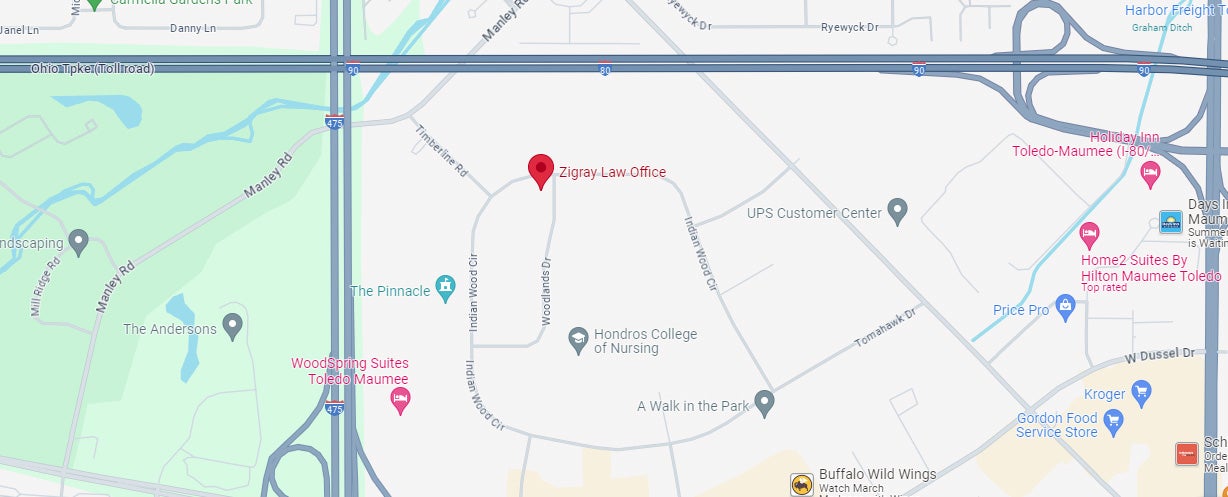
 1755 Indian Wood Circle Suite 400
 Maumee, OH 43537 Call Today 567-302-3604567-302-3676
Quick Links