On Behalf of Zigray Law Office, LLC | Aug 3, 2016 | Probate Litigation Any unexpected death is undoubtedly tragic and devastating for the friends and families who are left to cope with that sudden loss. Ideally, a person will have drafted a will or put together a comprehensive estate plan to direct people through this difficult time, but this doesn’t always happen. This is particularly true if a person was fairly young at the time of his or her death. Young adults often put off estate plans or assume they don’t need a will, but the fact is that there can be some very real benefits to having a contingency plan should the worst happen. Before you decide that you are too young to do any estate planning, you might want to ask yourself some important questions. Are you okay with your parents (or spouse) making estate distribution, financial and care decisions for you? Often, these parties will automatically take on these responsibilities unless otherwise directed. Do you have assets you want to protect? This can include properties, investments and money. Without direction from you, executors of your estate and/or the courts will decide what to do with these assets. Do you have an opinion on life-saving efforts and other medical decisions? Without an advance medical directive, you may not be able to express your wishes due to mental or physical incapacity. Are you in a committed, but not legally defined, relationship? The probate process involves strict rules, and these rules generally refer only to relatives, legal spouses and children. Even if you are in a committed relationship, there is no guarantee that your partner will receive the benefits and/or assets you may have wanted that person to receive. Once you take the time to consider these questions, you might find that you have more to protect than you expected. While it may be uncomfortable or seem unnecessary, protecting your wishes and your assets with an estate plan can provide you and your loved ones with considerable peace of mind.
The very real benefits of protecting your virtual assets
On Behalf of Zigray Law Office, LLC | Jul 21, 2016 | Probate Litigation When you start thinking about estate planning, you will likely start thinking about the people and the things around you that you want to protect. You might even look around and see who you interact with on a regular basis, what you have in your bank account and what items you have that you want to hand down. However, it is critical that you also consider what will happen to your assets that you can’t see: your digital assets. These include things like your emails, online businesses, bitcoin accounts, social media accounts, digital photos and the various financial accounts you manage online. It can be vital that you take steps to protect these assets for several reasons. To begin with, you can ensure sensitive information is not released to the wrong people. If you provide someone with your email, social media and financial account login information, that person can destroy, move or shield that information as instructed by you. Doing so can keep it out of the hands of hackers and other untrustworthy parties. You can also avoid financial penalties by granting someone permission to control digital transactions. For instance, if you pass away unexpectedly, you can assign someone else the responsibility of stopping auto-payments and managing payments to or from your online businesses. In order to protect these virtual assets after you pass away, you can name someone you trust to be a digital trustee. This person will be tasked with managing and finalizing the details of your virtual life in much the same way an estate administrator would manage your actual estate. This CNBC article includes some basic steps on how to protect your assets, but it can be wise to also consult an estate planning attorney to ensure any decisions you make are legally sound and enforceable. With a comprehensive plan in place that addresses both virtual and actual assets, you can be confident in knowing that you and your property will be protected after you are gone.
What you can do about breaches of fiduciary duties
On Behalf of Zigray Law Office, LLC | Jul 5, 2016 | Probate Litigation Losing a loved one is one of the most devastating events people experience. Between the emotional toll that a death can take on people and the work it takes to cope with the grief and move forward, there may not be a lot of energy or resources left to deal with much else. Unfortunately, many people in this situation do have to take on even more serious challenges when the time comes to administer the decedent’s estate and disputes arise. This can happen if there are questions or concerns over the person entrusted with fiduciary duties. Disputes can arise if you do not think that someone is acting in the best interests of the person who passed away, which is required of the person or people named as executors or trustees, or those given power of attorney. There are many ways a person could breach a fiduciary duty. For instance, if you feel a trust is being mismanaged because the trustee is using money from the trust inappropriately, this could raise some red flags. If you learn that your parent passed away with no money, despite his or her assurances that there would be inheritances, there may be grounds to question your parent’s power of attorney. In some cases, you may already have proof of a fiduciary duty breach; in other cases, your gut may be telling you something is not right. In either situation, it can be crucial that you take action and consult an estate planning attorney like those at our law firm if you suspect abuse or misuse. We know that this is a difficult time, but we also know that protecting your loved ones and their financial wishes is of utmost importance. To learn more about fiduciary duty breaches and what you can do about them, please visit our website.
Why do people want to avoid probate?
On Behalf of Zigray Law Office, LLC | Jun 21, 2016 | Probate Litigation Avoiding probate can be a top priority for people who are completing their will or creating estate planning documents. However, it is not always possible to avoid probate, and probate can actually work in your favor if you are disputing a will, trust, transfer or inheritance. But many people still wonder if the benefits of avoiding probate outweigh the potential drawbacks. Every case will be different, but knowing why people try to avoid probate in the first place can help you assess your options in terms of whether you would actually prefer to go through it. In general, avoiding probate is something people try to do for four reasons: Saving time Saving money Avoiding disputes Protecting privacy If you set up an estate plan in such a way that probate is unnecessary, it will allow you and your loved ones to save the time and money associated with navigating the legal system. Further, legal disputes can be minimized when probate is avoided, and because probate creates a public record, avoiding it can protect a person’s privacy. However, as discussed in this New York Times article, probate can be critical for making sure a will is legitimate and enforceable. It there are questions or concerns about the mental capacity of the person who created the will, probate can allow parties with a vested interest to address the issue. It also ensures that a court will settle the various issues that can arise when it comes to administering a will, which can be reassuring if you don’t trust the estate administrator. When it comes to the legal process and estate planning, people can be very motivated to keep things simple. However, this is not always possible or in others’ best interests. If you have questions about probate or need help handling an estate dispute, then contacting an attorney as soon as possible can be critical.
Don’t get lost in probate
On Behalf of Zigray Law Office, LLC | Jun 8, 2016 | Probate Litigation In the aftermath of losing a loved one, there are far more legal details and logistics than you may be prepared to handle, especially when you are already struggling to cope with an emotional and physical loss. One of the last things you probably want to do is go through that person’s will, confront disputes that arise or bring up questions and concerns. Unfortunately, these can be unavoidable challenges that need to be resolved, and they can’t be put off until you are ready to deal with them. However, you do not need to navigate the legal system and probate process alone. You can work with an attorney who can provide different types of support throughout any legal matter pertaining to probate litigation. Legal support: Many people are unfamiliar with the legal process, especially when it comes to matters like estate planning that don’t arise that often. Having an attorney deal with the paperwork, legal motions and taking a case to court can help you secure a fair and lawful solution you may not have been able to get on your own. Emotional relief: Between the sadness, frustration, anger, resentment and bitterness you may be feeling, it can be all but impossible to then make rational, objective decisions. The legal guidance of an attorney can be especially valuable in this aspect. Personal guidance: Your attorney can help you stay focused on the issue at hand and finding a resolution, which can give you a great sense of relief and confidence during such a rocky time. Additionally, an attorney can help you make decisions that prevent disputes from arising or getting worse, which can be critical. For these and many other reasons, having a legal representative by your side in matters related to wills, trusts and probate can make a very difficult, complicated process a little easier. If you are dealing with these issues or would like to take steps to avoid them in the future, we encourage you to visit our website to learn more about how we may be able to help you.
Why do so many people fail to create a will before they die?
On Behalf of Zigray Law Office, LLC | May 27, 2016 | Probate Litigation Prince didn’t have one. Neither did Howard Hughes, Abraham Lincoln, or Michael Jackson. These are just a few of the famous people who died without a will. And unfortunately, it’s not all that uncommon an occurrence, regardless of a person’s celebrity status. According to a 2015 study, 64% of all Americans die without a will. The number is even higher, a whopping 70%, for Americans between the ages of 45 and 54. And the percentage of 55-64 year old individuals who die without a will is also surprisingly high at 54%. Without a will, the laws of the state where you live determine who receives your assets and who controls your estate after your death. The absence of a will more often than not results in the need to litigate the estate in probate court, thus greatly increasing the chances that the estate will not be distributed as the decedent had envisioned. Even with a modest estate, it’s never a legally sound idea to die intestate. So why is it that such a high percentage of individuals fail to create a will before they die? Some of the reasons may surprise you. A mistrust of professionals The belief that it’s too costly to draft a will Contrary to religious beliefs Procrastination Denial of mortality The desire to have heirs fight A belief that there isn’t much to distribute No matter the reason, failing to sign important legal documents like a will may leave one’s heirs and legacy embroiled in an expensive and drawn-out legal battle. Rather than leaving your estate in the hands of strangers or putting your loved ones through a messy court case, you can always consult an experienced attorney to create an enforceable, effective will.
Surprise! Unexpected beneficiary claims complicate estate matters
On Behalf of Zigray Law Office, LLC | May 11, 2016 | Probate Litigation Many surprises can come up when a person passes away without a will. This can be particularly true when there are also significant assets involved. While some of these surprises may be considered good if they work in your favor, there are surprises that only make things more complicated. One case that highlights this point is the case involving iconic entertainer Prince’s estate. Reports indicate that no will has been located, which means it is up to the administrators of his estate to gather information on Prince’s assets, finances and heirs. The fact that he may not have had a will was a surprise to begin with; but now more people are coming into the fold by claiming they are heirs to his estate. So far, at least two people have claimed to be heirs including a man claiming to own Prince’s intellectual property and a woman whose relationship to Prince has yet to be reported. As noted in this USA Today article, there will likely be more people coming forward to try and stake a claim in the singer’s estate. It is possible that people claiming to be former business associates, religious partners, children Prince never knew he had and other family members could try to argue they are potential beneficiaries. Each time this happens, the administrator of the estate — in this case a bank — needs to evaluate the legitimacy of the claim and decide whether or not to try and have the courts officially dismiss the claim. It is a complicated, frustrating and time-consuming aspect of figuring out who is and is not an eligible heir. Whether claims turn out to be valid or not, the fact is the probate process can be drawn out and become far more complex when there are multiple people coming out of the woodwork claiming to be beneficiaries. It should also be mentioned that unexpected beneficiaries could significantly affect efforts to settle the estate and create some emotional turmoil that did not exist before. Even though most people will not be dealing with an estate as enormous and sophisticated as Prince’s, there could still be assets and money on the line when a person passes away without a will. Considering how intricate and thorny these situations can be, it will be crucial for confirmed and potential beneficiaries alike to have legal representation in order to avoid and/or deal with surprises that come up along the way.
Don’t forget about your pets in your estate plan
On Behalf of Zigray Law Office, LLC | Apr 26, 2016 | Probate Litigation Pets are an important part of families across Toledo, whether they are dogs, cats, birds or other animal companions. Every day, we care for them, provide for them and interact with them and it can be nearly impossible to imagine life without a beloved pet. Considering how important pets are to us, it can be crucial that we not forget about them when it comes to things like estate plans. If you have a pet, you will likely be thinking about what will happen to it when you pass you away and who will care for it. There are two options pet owners will want to consider, as noted by this AARP article. You can leave instructions for who should care for your pets in your will. However, you should first make sure this person is willing and capable of taking on this responsibility. Rather than saddle that person with an unwanted responsibility or put them in a position to make a very difficult decision, you can talk to them and make sure this is an arrangement that works for all parties involved. Another option is to set up a trust naming a caregiver and/or a trustee to take over care. With a trust, you can also set terms for gifts and financial support to cover pet-related expenses to help the person who is caring for the pet. It should also be noted that unlike a will, a trust can go into effect right away, leaving little or not time for the pet to be left without care. Failure to express your wishes for your pet in a will or trust can result in some unwanted consequences. Rather than assume someone will take care of your pet or put your loved ones in a very uncomfortable situation, you can address pet care and ownership in your estate plan. Working with an attorney and discussing the matter with those involved by your decision can help you protect your pet and ensure it will be protected and cared for when you are gone.
What can a power of attorney do?
On Behalf of Zigray Law Office, LLC | Apr 14, 2016 | Probate Litigation If you get very sick and do not have the physical or emotional capability to manage your own finances, do you know who will take over these responsibilities? Unless you grant power of attorney to someone, this decision will typically be left up to a judge who is probably a complete stranger. In order to protect yourself and your financial interests, you can give someone else permission to manage these affairs on your behalf by completing a durable power of attorney. So what exactly can someone with power of attorney do? The person to whom you grant power of attorney will be legally allowed to: Pay bills like mortgages, utilities, credit cards and medical expenses Access your bank accounts Invest your money Sell real estate and other assets you own Manage and submit your tax returns If power of attorney is durable, it means that the agent will continue to have these permissions even if you become incapacitated. Considering the access and permissions a person with power of attorney will have, it is important that this person is someone you know and trust, and can handle the financial responsibilities of the role. It is also crucial to understand that power of attorney is only in effect until the grantor of that power passes away. Failure to recognize this could lead to some serious complications. As discussed in this article in The Consumerist, someone with power of attorney can manage a person’s affairs quite easily while he or she is still alive only to face serious challenges doing the same things after the person passes away. Further, if you have power of attorney and continue to make decisions on behalf of the deceased, you could find yourself in serious trouble and cause considerable damage to a person’s estate. Assigning durable power of attorney can be an incredibly important task. It should be done after careful consideration and with an understanding of what that legal obligation allows a person to do. Before you make any decisions regarding power of attorney, it can be wise to discuss your legal options with an estate planning lawyer.
Contesting a will? No will? Legal action can be unavoidable
On Behalf of Zigray Law Office, LLC | Mar 30, 2016 | Probate Litigation Losing a loved one can be a devastating experience for any person, and coping with that loss can be physically, emotionally and even financially overwhelming. You may have a lot of unanswered questions and troubling issues that are left unresolved. During such a difficult time, your legal options may not necessarily be your top priority. However, you might find that resolving the disputes, questions and concerns that arise in the aftermath of a person’s death can only be done through the legal system, and litigation may be unavoidable. For example, if the loved one who passed away did not leave an executable will, you can wind up battling siblings, parents, spouses and other family members over what should be done with the decedent’s property and assets. Who will get the house? What about a much-loved piece of jewelry that has been in the family for years? How will you decide who will take care of a pet that has been left behind? Even if there is a will in place, it could have gaps or questionable terms that demand further clarification. Did the decedent intend to leave someone out of a will? When was the document last updated? Could it have been created or changed as a result of coercion or at a time when the person was unfit to make such decisions? These can all be grounds for contesting a will, so it can be wise to be prepared for this process. You may be surprised at your reaction or the reactions of those around you when it comes to the administration of a person’s estate, as it may become more contentious or emotional than you expected. This is not uncommon, but it should also not be taken lightly. Having legal counsel by your side to guide you through this complex process can help you get the answers you need to begin moving forward.
Factors that are considered when a guardian is appointed
On Behalf of Zigray Law Office, LLC | Mar 17, 2016 | Probate Litigation Deciding who you want to take care of you and your personal affairs in the event that you can no longer do so can be very difficult. Many people feel uncomfortable thinking about such topics and also find it a challenge to bring them up with loved ones. Because of this, people put off these decisions. This can have some unfortunate consequences when and if the time comes for you to need help, as the courts will need to appoint a guardian. For instance, if you become very ill or otherwise unable to care for yourself and make financial and/or health care decisions, a guardian will have to make these decisions for you. There are some very important factors to consider because a guardian is appointed. A guardian will be expected to step in and help with only those decisions that a ward cannot make alone. The guardian should therefore be an adult who is as clear on the limitations of this role as he or she is on the responsibilities. A guardian should also be considered an honest person without a history of activities like bribery, theft or financial mismanagement. Existing relationships with the ward with also be examined. Considering all the decision-making expectations a guardian will have, he or she will typically be a family member or someone else who knows the ward and, ideally, has a familiarity with his or her wishes. The courts take a number of factors into consideration when appointing a guardian, including those mentioned above. However, there are many instances when the court appoints someone that the ward or others close to the ward may not agree with. There are legal avenues to pursue in order to challenge and change guardianship, but it can be easiest to make sure this determination is made before it is actually necessary. As part of a comprehensive estate plan, you can name a durable power of attorney and specify your financial and health care wishes so that your wishes are documented and can be referred to by the courts when determination guardianship.
5 steps to protect yourself, your loved ones after you are gone
On Behalf of Zigray Law Office, LLC | Mar 3, 2016 | Probate Litigation End-of-life planning can be a very difficult task. Not only can it be uncomfortable to discuss topics like estate plans and wills, but it can also be a very complicated process to make decisions on what you want to happen to your assets after you are gone. However, as difficult as it is to create your estate plan, it can be one of the most important things you do for yourself and your loved ones. In order to do this, it can be wise to take the following five steps as you prepare your estate planning documents. Set up a trust: Leaving assets in a trust can help avoid probate, which is the process of proving a will and its legitimacy in court. Have witnesses present: As noted in this article, many people claim that a person was mentally unfit to draw up a will or make changes to one, which is why they often challenge it in court. However, you can minimize this supposition of mental incapacity by having witnesses present when you sign the will. Recording the process can also allay the concerns of people who were not present at that time. Explain clauses that might be confusing or unexpected: The details of your estate plan are completely up to you. However, they can be challenged if they are unclear or go against what others expected. Rather than leave interpretation of your wishes up to others, you can explain any areas of your will that may appear to be surprising, inconsistent or unfair. Discuss the plan with your loved ones: To further explain these wishes, discuss them with the people who will be affected by them. This allows people to ask questions and make clarifications with you instead of after you are gone. Make sure the documents are legally enforceable: If your estate plan is not enforceable, every decision you believe you have made could actually be left in the hands of strangers. These steps can help you make the process of administering your estate a little easier and less contentious. While it may not be possible to completely avoid probate or guarantee a conflict-free process, being clear and mindful of your decisions and discussing them with an attorney can go a long way in protecting yourself and your loved ones.
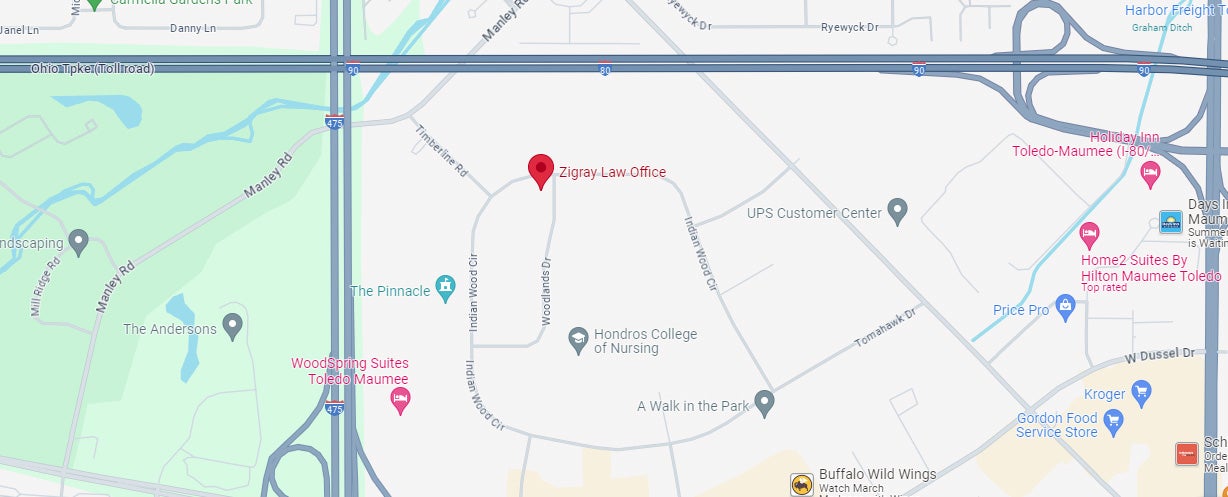
 1755 Indian Wood Circle Suite 400
 Maumee, OH 43537 Call Today 567-302-3604567-302-3676
Quick Links