On Behalf of Zigray Law Office, LLC | Nov 7, 2016 | Probate Litigation The time immediately following the loss of a loved one can be very difficult. Oftentimes the last thing anyone wants to do after such a loss is to care for legal concerns while also attempting to grieve and process. Because of this, some may want to relocate some of their assets into certain types of assets in order to reduce the amount of time their loved ones will have to spend in probate court following their death. In the state of Ohio, many county courts have their own rules regarding probate litigations, but there are usually a handful of assets that are not required to go through probate, regardless of individual court rules. These include, Revocable Trusts There are many types of trusts, but they are all a legal agreement between a trustmaker, a trustee, and the beneficiary/beneficiaries. With revocable trusts, the trustee is responsible for managing the trust and the assets therein and the beneficiaries are those who receive the benefits of the trust. A revocable trust (as opposed to an irrevocable trust, which is a separate thing) can be altered or dissolved at any time whereas an irrevocable trust cannot be altered and practically lasts forever. If used with the intention of avoiding probate, revocable trusts are often used in correlation with survivorship life insurance. Right of Survivorship or Tenancy By the Entirety These are normally used in regard to Real Estate. Both function in almost the exact same fashion as joint tenancy. The difference, however, is that Tenancy By the Entirety is only available to married couples. If a married couple does hold their property in TBE, then upon the death of one tenant, all property held by both holders passes into the possession of the survivor. Payable/Transfer on Death accounts Some bank accounts will have clauses in them that specify that the account is payable on death or transferable on death. As long as the account holder is alive, the person listed as the inheritor of the account has no access to it. This allows the account holder to use and manage the resources within the account or to name any other beneficiaries up until their death. Probate litigation can be beneficial for many reasons, but if you decide that the benefits of avoiding it outweigh the potential advantages, the aforementioned methods will allow you to do so. You can pursue these options on your own, but it may be more advantageous to consult a legal profession so as to ensure all actions are taken in accordance with the law.
Considerations when transferring farm property to family
On Behalf of Zigray Law Office, LLC | Nov 3, 2016 | Farm Inheritance Disputes Ohio farmers sometimes face unique issues when it comes to asset transfer. It’s not uncommon for a farmer to want to leave real property to a specific family member on death or even transfer an ownership interest during life. The legal options available allow for several variations of transfer timing and structure. Corporations and limited liability companies offer tremendous flexibility and may be beneficial as estate planning tools or to facilitate asset transfer. When it comes to transferring ownership of farm property, a distinction must be made based on whether the property in question consists of operating assets or land assets. Generally speaking, corporations should be established only for a business purpose; they are not ideal if asset transfer is the only goal. If the assets are operating assets, a corporation may be the best option with regard to business protection and tax savings. Limited liability companies carry some of the advantages of corporations and they allow tax benefits in some circumstances. In most cases, LLCs are the better choice for transferring real property. They allow for the transfer of LLC units rather than corporate shares. They also allow for the transfer of an ownership interest by gift during life, by bequest after death or via sale in exchange for contract or cash. A well-designed plan for the transfer of family assets makes farm inheritance disputes less likely. Individuals who have questions about estate planning, probate, asset transfer or other issues may want to consult an attorney. An attorney with experience in estate planning may be able to tailor a plan to meet the client’s needs and goals. An attorney may be able to draft a valid will or establish an LLC for use as a transfer instrument.
Challenging an Ohio will is one thing, defending one is another
On Behalf of Zigray Law Office, LLC | Oct 27, 2016 | Probate Litigation Medicine is complicated art and science. So many things can go wrong with the individual systems that make up our human coil that areas of specialty have developed. Even general practitioners are specialists in their own way. They’re usually focused on preventing health issues. Once someone in Ohio gets sick or hurt, though, they tend to need to go up the ladder for targeted care. The same is true of the law, even within a particular area. Take estate law for example. Within this segment, there are attorneys who focus on the planning required to prevent issues from cropping up for clients. Other attorneys may get granular in the area of probate litigation, contesting or defending wills. Regardless of which side of the fence one is on in a contest of a will, certain procedures will be followed. So what are the steps involved in defense of a will? First, it must be noted that state laws vary. However, many experts would agree that the ball starts rolling when the executor of an estate receives a Verified Complaint about the will after it’s admission to probate. Presuming the complaint is filed correctly and within the proper timeframe required by law, the next step is to speak to the attorney who drafted the will. Because of the role played in that process, he or she is a key witness and is not in a position to handle the defense, at least not alone. The next step is the filing of a formal response to the complaint. Then, lining up of relevant other witnesses and questioning of them begins. These might include treating doctors or others with information related to the execution of the will. Next comes providing an accounting of estate assets. Most of the time, contests are based on claims that the decedent faced undue pressure when drafting the will or was mentally incompetent. Because of that, it’s important in defense to develop evidence that supports a narrative that the decedent was of sound mind and body when executing the will. The more complicated the estate, the more likely it is that other issues will be sources of dispute and the more important it is to have confidence in the attorney at your side.
Determining a breach of fiduciary duty
On Behalf of Zigray Law Office, LLC | Oct 20, 2016 | Breach Of Fiduciary Duty The executor of an estate has many responsibilities with regard to managing the assets of a decedent. Ohio residents should be careful when they are choosing who to place in this position. In a case that was brought before the Supreme Court, the plaintiff alleged that the defendants, the co-executors of an estate, failed in their fiduciary duty when they overvalued an asset by $3 million. The plaintiff, who was the sole beneficiary of the estate, argued the miscalculated evaluation resulted in excessive federal estate taxes. The defendants offered many special defenses. One of the defenses was that they were permitted to depend on a third party in assessing the value of the assets of the estate. When the defendants applied for a summary judgment in the case, it was rejected as premature. Right before the trial was to begin and after several depositions and discovery hearings, the defendants moved again for summary judgment while the plaintiff applied for a partial summary judgment. Based on the assertion that there was inadequate evidence to present the case to a jury, the trial court granted a summary judgment in favor of the defendants. There was no expert testimony offered by the plaintiff that could attest to the proper protocol for when it was necessary to have the value of substantial estate assets assessed. It was specially noted that the appraisal of the corporate assets in question was complex and required the reliance on an expert. The trial court asserted that considering the factors surrounding the case, the blind negligence that occurred was not a case of a breach of the defendants’ fiduciary duties. Disagreements regarding how the estate of a decedent is administered can result in a dispute with beneficiaries. These situations can become particularly challenging, and an executor may want to have the assistance of a probate attorney throughout the process.
Obtaining legal help for contesting a will
On Behalf of Zigray Law Office, LLC | Oct 6, 2016 | Probate Litigation When it comes to contesting wills, The , has been assisting Ohio residents for nearly 20 years. As probate attorneys, we work hard to find answers for those who believe that the will of a family member is not valid and does not express their loved one’s true wishes. If you have lost a loved one and are doubtful over the validity of their will, we’ll do our best to find out if certain circumstances caused the document to be altered. Some of those circumstances include changes made to the will by an attorney who was not the decedent’s appointed lawyer, last-minute alterations or changes done while the testator was suffering from a disease like Alzheimer’s or dementia that could have affected judgment. Sometimes, people may contest the validity of a will if it named one person, such as a second spouse or a child, as the sole beneficiary of the testator’s entire estate. Contesting a will can also involve disputes over a trust and bring to light suspicious changes made to a person’s bank account survivorship rights, life insurance or investment account beneficiary designations. Sometimes, an executor or trustee may have concealed the decedent’s assets or their transfer was denied for an unknown reason. In other cases, the family may discover that a person tricked their loved one into giving away their property as a gift. We could also assist you with determining if an individual who was appointed power of attorney is guilty of a breach of fiduciary duty or if the loved one requires the protection of a guardianship. If you think your loved one’s will is not valid, we’ll strive to do everything possible to help you. For more information about our firm, visit our website on contesting a will.
When there are questions about the ability of an executor
On Behalf of Zigray Law Office, LLC | Sep 30, 2016 | Probate Litigation The title of executor sounds impressive. It’s more than an honorary moniker, however. If you’ve been asked to be the executor of a loved one’s Ohio estate, or find yourself surprised at having been named as such, you might want to think twice about saying yes. At the same time, if you are an heir who believes that you have been denied your rightful inheritance or that your loved one is at risk because someone granted power of attorney is not up to the job, you may have a right to raise questions. To get answers and determine what action might be appropriate, consulting an attorney is always recommended. One factor that it may be important for everyone to understand is that the role of executor can be challenging. Before launching any kind of action, consider the following. It can be difficult to be executor. Most of us are busy as it is. When someone takes on the responsibility of executor, they may face a significant administrative burden that could last years. They may only find out, too late, that they don’t have the time or skill to do the job right. Who might you be dealing with? Typically, there is only one executor. More thoughtful planners might name two. That provides for some checks and balances. It could also create some tension that could have long-term effects if stoked. Is it worth the cost? The right of an heir to raise a claim exists, but it might be worth asking whether pursuing the issue is worth the expense. In addition to the financial component there could require the spending of emotional capital that could have long-lasting effects. Regardless of what side of the fence you may be on in such a situation, it’s important to understand your rights and your potential responsibilities. Working with a skilled lawyer can help achieve optimal outcomes.
Dispute over Meaning Of Codicil In Tom Clancy Estate Resolved
On Behalf of Zigray Law Office, LLC | Sep 30, 2016 | Probate Litigation Many commentators have focused on the divorce rate in the United States in debating parent-child relationships and similar issues in the public forum. However, divorce is not always the end of the story. Many individuals remarry after a divorce. Similarly, widows and widowers often find new partners, creating a significant number of blended families in Ohio and throughout the country. Blended Families Are Highly Common In fact, half of our country’s 60 million children under the age of 13 live with a stepparent or partner of one biological parent, according to The Step Family Foundation. Unfortunately, even for individuals who have created an estate plan, disputes among family members, or between a family member and the personal representative, can often erupt after the person passes away — and in a blended family, the reasons for dispute may be more plentiful. Well-known author Tom Clancy, who wrote such great stories such as The Hunt for Red October and Red Storm Rising, took great strides to write an estate plan (although he likely did not write the plan himself). His plan included three trusts. One trust was intended to benefit of his second spouse. A second trust was created to provide for his second wife and the couple’s minor child. A third was intended to benefit the author’s children from his first marriage. The author created documents to explain that the second and third trusts should split the estate taxes so that they remained equal in net value. With everything covered, all seemed well and good. However, at some point the author created a codicil (a document to modify an existing part will) to allow the second trust qualify for the marital deduction. Unfortunately, the new document apparently did not also address the tax issue. That became the basis for dispute during administration of the author’s estate after he passed away. Estate Tax Bill Important In Creating The Dispute Estate taxes amounted to nearly $16 million dollars without the marital exemption and the personal representative sought to split the bill equally between the second and third trust as originally planned. However, Alexandra, the author’s second wife thought that idea would defeat the purpose of the codicil. Tax payments due not qualify for the exemption, diluting the benefit of the codicil. She argued that the third trust should cover the entirety of the outstanding tax debt, which amounted to $11.8 million when factoring in the exemption created by the codicil. The courts looked at the original will and the codicil together and determined that Mr. Clancy would have wanted the entire plan to pay lower estate taxes, leaving the author’s children from the previous marriage with all of the tax burden -and reducing the relative value of their share of the estate (the second and third trusts were intended to have equal value and an equal tax burden prior to the codicil). Wills and trusts contests can have complex issues. When blended families are involved, there may often be disputes between step-siblings or step-children and the step-parents. Working with a focused probate litigation attorney can make a significant difference in the outcome of a dispute.
Common mistakes people make while handling probate alone
On Behalf of Zigray Law Office, LLC | Sep 22, 2016 | Probate Litigation In an effort to save money, some executors under an Ohio testator’s will opt for a do-it-yourself method to take on probate tasks. However, the process is complicated, and they could be held legally and financially responsible if they make any oversights or mistakes. Since there are several legal notices that a person may have to file during probate, it might be difficult determining which ones are necessary and which ones are not. For example, many states require all of the testator’s heirs, even those who are not named in the will, to receive notice. Otherwise, they may be able to contest the will. Another possible pitfall facing those who try to handle probate on their own is failing to give notice to creditors. Notifying creditors of the decedent’s death gives them a chance to require payments in full. People who skip this step can be held personally liable for any of the decedent’s debts. Failing to obtain a bond is a further mistake that can be made during probate, unless the will waives it. Otherwise, a bond is required for people who file a probate action with the court and wish to be the estate’s personal representative. Bonds in this case work as an insurance policy in the event the personal representative fails to fulfill one of the numerous probate requirements. However, getting a bond could be pricey, especially if a person has poor credit. In some cases, a personal representative may not be able to get one, which means he or she is not qualified for the role. because of the complexity of the laws, executors can easily make a mistake, which can lead to expensive probate litigation. Instead, they might consider contacting an estate planning attorney for guidance. Source: Yuma Sun, “Estate Planning: Probate is not a do-it-yourself project”, Adam Hansen, Sept. 12, 2016
Can probate be avoided?
On Behalf of Zigray Law Office, LLC | Sep 15, 2016 | Probate Litigation The days, weeks and months after a loved one passes away can be some of the most emotionally devastating for people who are left behind. Between the funeral planning and trying to figure out how to move forward, the last thing people typically want to do is spend their time in a courtroom proving the validity of a will and hashing out legal disputes, which is what happens in probate. That leaves many people asking the question, “Can’t I just avoid probate?” The answer here is: possibly, with the right planning tools in place. There are a number of ways people can set up estate plans to avoid all or parts of probate. One of the most common ways to do this is to put property and money in living trusts. Living trusts allow a person to transfer assets by giving permission to the trustee to transfer ownership of the property in the trust, rather than having to go through probate. This can save people a lot of time, money and energy. Even if it isn’t possible to completely avoid probate, a person can minimize the potential for disputes that can extend probate proceedings. In order to do this, you can have a clear, comprehensive and enforceable will in place, and make sure any executor named takes seriously his or her fiduciary duties. Oftentimes, probate drags on and on because of people challenging a will or taking issue with how an estate is being administered. When you are creating your estate plan, you likely want to take whatever steps you can to protect not only your wishes but the interests of your loved ones as well. Doing what you can to minimize disputes and avoid some or all aspects of probate can be enormously beneficial to all parties involved. For more specific information on how you can do this, it would be wise to consult an attorney.
Keeping secrets in light of terminal illnesses
On Behalf of Zigray Law Office, LLC | Aug 31, 2016 | Probate Litigation There is no one way to cope with a fatal illness diagnosis; whether a person is given weeks or a few years to live, the way he or she responds is intensely personal. Some people, like iconic comedian and actor Gene Wilder, choose to keep their prognosis quiet for a number of reasons. This thoughtful article in The Washington Post examined some of the celebrities who have recently died from illnesses that were largely unknown to the public. If you are someone who would prefer not to disclose a serious illness to those around you, you should understand that there is nothing wrong with this choice. However, be aware that when an illness is kept private, loved ones can be very surprised by a death. This shock and sudden devastation can lead to some problems in terms of administering an estate. To begin with, it is possible that someone’s feelings could be hurt by being kept in the dark. That person can end up feeling resentful and angry toward those who may have known about an illness and take it out on them in probate. He or she may challenge a will or fight to block the actions of an executor simply because he or she is upset. If keeping your illness secret also means keeping your estate plans secret, you could be putting your loved ones in a difficult position to translate your wishes without having the opportunity to ask you questions. In these situations, you would be wise to be as clear as possible when it comes to writing a will or setting up a trust. It can also be wise to not keep your will a secret. Informing at least one person, like your attorney or your spouse, that you have a will in place can save a lot of time and grief in the aftermath of death. Failure to disclose this information can mean that your will is never discovered or that it will be challenged quite aggressively in probate by people who may question its validity. There is no shame in keeping a serious illness private for your sake or for the sake of your loved ones. However, there are ramifications of that decision that others will need to cope with after you are gone, so it can be wise to take some time and discuss your wishes with someone you trust.
ESTATE AND PROBATE HELP THROUGHOUT OHIO
Prince estate to open Paisley Park as a Graceland-like museum On Behalf of Zigray Law Office, LLC | Aug 30, 2016 | Probate Litigation When a person dies without a will, it is not necessary for the estate to be enormous to have disputes among family members arise. However, as the estate increases in value, the likelihood of probate litigation will obviously increase. In Ohio, tensions over oil rights, a family farm, business interests and intellectual property can be common in probate court. Earlier this year, this blog reported the story of potential heirs and beneficiaries claiming to have rights in the estate of the iconic musician Prince. The intellectual property rights alone are worth a fortune. As for real estate matters in the Prince estate? Well, it seems that there will not be a major fight over what should happen to the recording studio and compound that Prince called home (though income from the property could be an issue for some time to come). The estate is selling a separate villa in the Caribbean to cover some estate tax bills. As for Paisley Park, the estate plans to open the compound for public tours beginning in early October. The special administrator of Prince’s estate recently announced the plan to treat Paisley Park as a museum, somewhat like how Graceland is treated, according to USA Today. More than 500,000 people visit Graceland each year, according to USA today, generating cash for the Presley Estate, as well as millions in tourism revenue for the city of Memphis. Turning Paisley Park into a museum, open to the public, was something that Prince always wanted and was actively working on before his death. It appears that dream will come true, despite the failure of anyone to locate a will. Nonetheless, many issues remain to be resolved in settling the estate of the musician.
How the courts assess claims to an inheritance
On Behalf of Zigray Law Office, LLC | Aug 17, 2016 | Probate Litigation A few months ago, we wrote a blog post discussing some of the serious problems that were likely to arise in the wake of legendary musician Prince’s unexpected death. One of the main complications that presented itself early on was the fact that Prince did not have a will and several people were expected to come forward seeking a portion of his estate. In that post, which can be read in full here, we noted that at least two people had already come forward claiming to be an heir. Since then, however, a total of 29 claims have been made, all of which were recently denied. In this post, we will look at some of the ways courts assess these claims and how they determine which are baseless and which may be legitimate. If someone says she is a relative of the deceased, the courts may order genetic testing or request birth certificates. If someone claims she was married to the deceased, a marriage certificate must be presented. If a person comes forward claiming the deceased made promises to give him money or property, the courts can ask to see any evidence of such an arrangement. This might include written correspondence or business agreements that may have alluded to such promises. Any information that can be gathered in support of or to contradict a person’s claim will be closely scrutinized and carefully considered. If the courts are not convinced of a legal tie between the deceased and would-be heirs, they will exclude those requests from the inheritance claim, as was the case for the 29 people seeking a portion of Prince’s estate. Considering how complicated these claims can be and how much could be on the line, it is crucial that anyone making them or disputing them has legal representation and a clear understanding of how such matters are addressed in Florida. Source: Business Insider, “29 people claimed to be heirs to Prince’s estate and a court denied all of them,” Curtis Skinner and Steve Gorman, July 30, 2016
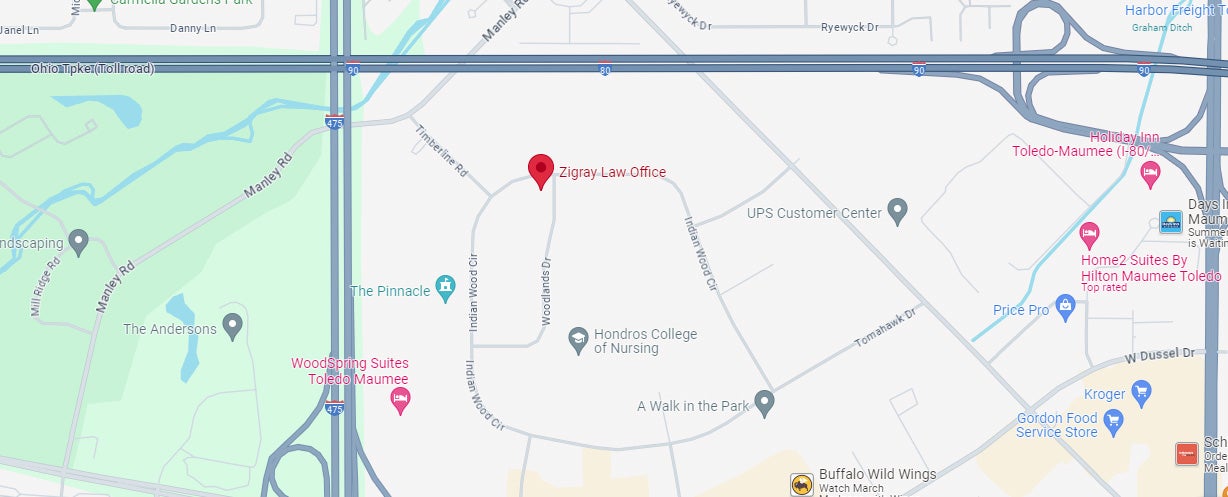
 1755 Indian Wood Circle Suite 400
 Maumee, OH 43537 Call Today 567-302-3604567-302-3676
Quick Links