On Behalf of Zigray Law Office, LLC | May 14, 2020 | Probate Litigation It is not uncommon for the contents of a loved one’s will to disappoint at least one prospective heir. The disappointment may stem from receiving a smaller portion than anticipated or from being cut out of the will altogether. Blended families, multiple marriages and other factors may complicate the Ohio estate planning process, and some who feel short-changed by a loved one’s bequest may seek satisfaction in probate court. However, will contests are not for the faint of heart. Someone who is considering contesting a will should understand the challenges he or she will face. To begin with, a will contest will almost certainly pit family members against each other, and the rifts that result may last a lifetime. The discovery phase may be brutal, and other heirs may try to portray the contestant as greedy. It will be important for the contestant to be well-prepared for the negative aspects of the process. Anyone planning to dispute the contents of a will should be aware of Ohio’s time limit for filing suit. Meeting with an attorney as soon as possible after the death of the loved one is a good way to get started on building a strategy. Contesting a will is not cheap, and the loss of an inheritance worth only a few hundred dollars may not be worth the cost of probate litigation. However, if a fortune is on the line, heirs may agree it is worth fighting for their rights. In many cases, will contests can be settled without the cost and stress of a trial. Ohio residents who feel a loved one’s will treats them unfairly would be wise to seek an attorney who is comfortable with negotiations as well as in the courtroom. A good start is to receive an honest assessment of the situation and advice about the most appropriate way to proceed.
When to challenge a will
On Behalf of Zigray Law Office, LLC | May 13, 2020 | Probate Litigation Probate litigation has opened many doors for those who are looking to challenge wills. There are plenty of instances when someone would rely on this but usually the court choose to pass the wills since they consider it to be the testator’s voice expressing his or her final wishes. Courts rarely ever choose not to pass the will unless some grounds are raised during the probate litigation process. Testamentary capacity It is required for every testator to have testamentary capacity when he or she devised their will. Testamentary capacity requires that the testator be at least 18 years old and that he or she had the mental capacity to write the will by themselves. If any of these elements are not met, then a will can be challenged in court. Excluded from the will This is usually a hard case to win considering that if the testator would have wanted to give some of his property to the excluded person, then he or she would have appeared in the will. However, if the excluded party believes that he or she has been left out due to duress or because someone took advantage of the testator’s mental state, then these could be grounds for an investigation that can lead to the reason why the person was excluded. Fraud and undue influence Sometimes someone has intentionally manipulated the testator’s will by tampering with it or simply by influencing the testator during the writing process. If this can be proven, then the court might dismiss the will altogether. Another will It has happened that the testator has written two wills. When something like this happens, then the latest will shall trump the former one since it is considered that the latest one holds the executor’s final wishes.
What are common elements of undue influence?
On Behalf of Zigray Law Office, LLC | May 1, 2020 | Will Contests Individuals work hard to develop a comprehensive estate plan to ensure the proper distribution of property when they pass away. Unfortunately, many people can suffer the effects of undue influence without even realizing they are being manipulated. What is undue influence? Various organizations define the topic in different ways. The American Bar Association states that undue influence means “excessive persuasion that causes another person to act or refrain from acting by overcoming that person’s free will.” It is important to examine four factors in determining whether an action was the result of undue influence. Vulnerability of the victim: In this context, vulnerability can refer to incapacity, disability, age, education, emotional distress or cognitive function. Essentially, anything the influencer can exploit to take advantage. The influencer’s apparent authority: The influencer might exhibit authority through status as a fiduciary, family member, health care provider or spiritual adviser. The actions of the influencer: Did the influencer control medications, access to information or access to loved ones? Did the influencer coerce or in other ways intimidate the victim to make changes? The equity of the result: There must be evidence of inequity such as economic consequences suffered by the victim. A will contest – or any type of estate dispute – can be a complex, emotional matter. Whether you are challenging the validity of a will or defending an elderly loved one’s estate plan, it is crucial that you have a skilled legal professional fighting on your side.
When to consider removing a conservator
On Behalf of Zigray Law Office, LLC | Apr 24, 2020 | Uncategorized Appointment to conservatorship is a huge responsibility. Unfortunately, some people seek ways to abuse this power rather than to work to protect the person whose needs they’ve been appointed to serve. Although family members and others close to the conservatee might wish to pick the person in charge, courts often appoint someone on the protected person’s behalf. A conservator can’t be removed simply because friends or family dislike the person. However, there are circumstances where removal is worth pursuing because the conservator is demonstrating proven mishandling, incapability, or malicious intent. How to spot conservatorship abuse It’s not always easy to spot the signs of a conservator abusing their power, but there are certain things to watch for, including: Bills that are unpaid Irregular or inexplicable bank withdrawals The sudden loss of money, property, or other assets Unannounced changes to the will or other estate plans It can be difficult to monitor activities, but fortunately, there is now software available in addition to other monitoring services that allow audits and the peace of mind that someone is keeping an eye on the business relationship. If you do find a reason to suspect abuse of a conservatorship, possible offenses being committed include fraud, embezzlement, blackmail, or theft. It’s critical to seek legal counsel if you do suspect a loved one is being taken advantage of. In court, if there’s reasonable evidence that the appointed conservator is committing these violations, a judge can appoint a new conservator. The family of the protected person can explore with their attorney the possibility of filing a lawsuit or bringing charges against the person who committed the violations to help protect other vulnerable people from being taken advantage of.
Do this to avoid a life-insurance beneficiary dispute
On Behalf of Zigray Law Office, LLC | Apr 2, 2020 | Life Insurance Are you one of the millions of Americans who have gotten remarried after a divorce or gone through another major life change? If your answer is yes, take a moment to consider if you have kept your beneficiaries up to date on your life insurance policy. Keep your beneficiary updated The average person buys their life insurance policy when buying a home, getting married, or having kids. And because life is well… life …people get divorced, remarry, have more kids (or step kids come into the picture), or have their family dynamic change for yet another reason altogether. “ Gee, I should really update my life insurance policy,” is likely not the first thing on your mind in the middle of any life change…but forgetting to update your life insurance policy at all can lead to problems for your surviving family members after you are gone. Save your family the drama It’s easy- and understandable – to overlook paperwork during major life changes. But it’s an oversight that could lead to your life insurance policy still naming your ex-spouse as beneficiary. In an instance like this, your surviving spouse could conceivably contest your ex-spouse as the named beneficiary on your life insurance policy. If your family decides to contest your life insurance policy, they may face a difficult, drawn out, and expensive legal fight. The final call doesn’t belong to the insurance company but to the courts. Making sure to update your life insurance beneficiary(ies) saves your family the drama of a legal battle while they are grieving. Just make sure to document your updates and tell your loved ones. Knowing you’ve done all you can to provide for them after your passing can provide you with peace of mind.
What are oil and mineral rights?
On Behalf of Zigray Law Office, LLC | Apr 2, 2020 | Oil Rights and Mineral Rights Wills and trusts are meant to protect an individual’s estate and make sure it is given to the right people. This isn’t always limited to houses, cars and bank accounts. Oil rights and mineral rights can be an incredibly valuable part of estate planning. Oil rights and mineral rights are generally what they sound like: the rights to ownership of oil and/or mineral found underneath the ground. These rights can apply to the property owned by the testator or rights owned by the testator to material underneath someone else’s property. Can you fight for oil and mineral rights during probate? You may be able to contest the terms of a will or trust when it comes to mineral rights, but it really depends on your circumstances. It is possible that you could contest, but you will likely need to consult a legal professional. If I inherited property, did I inherit the oil and mineral rights? Potentially. If you inherit a plot of land, or surface rights, it’s possible that you also own the rights of what is below. However, you will need to research the title to find out if anyone else owns all or part of the oil and mineral rights. What do you do with oil and mineral rights? The value of oil and mineral rights really depends on what mineral you have the rights to and what portion of the rights you have. If you share the rights with others, you will likely need to work together to decide what to do with them. Sometimes, extraction and oil companies reach out to heirs once titles change. You and those you share mineral rights with may decide to sell or lease them to a corporation or extraction company. If you think you may have inherited oil and mineral rights or are considering what to do with them, always talk to a lawyer. Be sure to protect yourself and your rights before signing or leasing anything.
Can you spot abuse in a conservatorship?
On Behalf of Zigray Law Office, LLC | Mar 11, 2020 | Uncategorized Elder abuse is an unfortunate reality facing many families in the U.S. The potential is ripe for misusing conservatorship laws that are designed to protect people who are facing physical disabilities by appointing a person to manage their financial affairs. A person who has become physically incapacitated, but retains mental competency – referred to as a conservatee (or ward) – can petition for a conservator, who will take over financial decision-making. Conservatorships can be temporary or permanent. Although conservatees have numerous protected rights, including access to income or allowances and savings, the conservator retains a lot of power over the conservatee’s assets, which is why there’s a risk of abusive behaviors like embezzlement and fraud, regardless of whether the person was selected by the conservatee or by the court. Sadly, these abuses of power can be difficult to spot by the untrained eye. Red flags and warning signs According to the Center for Elders and the Courts, very little data reporting exists for conservatorships, which is why a pilot program is in the works to increase conservator accountability and track cases where exploitation might be happening, including developing a system that detects “red flags” indicating potential abuse. Learning to spot exploitation is a critical step in keeping tabs on a conservator. If you or your loved one has a legally-appointed conservator, here are some of the things you should look out for: Evidence of excessive errors, discrepancies or missing entries on the account Evidence of mental, physical, emotional or verbal abuse toward the conservatee Large purchases of property and other high-value assets by the conservator Suspected price gouging for conservator fees Neglecting or refusing the requests or needs of the conservatee In the event of an unsatisfactory or abusive conservatorship, the conservatee can revoke the arrangement at will, or a judge can order a new conservator. Don’t be a spectator in your own life Knowing your rights is the first step in combatting abuse of power when you’ve entrusted someone with your livelihood. A qualified attorney can help you determine whether your own suspicions warrant further action.
Does dementia void a will?
On Behalf of Zigray Law Office, LLC | Feb 24, 2020 | Probate Litigation Challenges to a person’s mental capacity are common in a will, especially in contentious families. Many people don’t have an adequate will at the time of their physical decline. For people with dementia, writing a will with the help of family members can raise issues related to lack of testamentary capacity and undue influence. Family contention leading to a contested will In a family with disputing relatives, there is a higher likelihood of a contested will. A loved one with dementia will have to prove mental competency by having ‘testamentary capacity.’ Here are the criteria that need to be met for a person with dementia to form and sign a valid will: That person understands what constitutes their property. That person can distinguish who their relatives and descendants are. That person can decide who of those relatives and descendants should inherit property. That person knows what a will is and how it generally works with regards to distributing property after death. The person can combine all of these facets to understand the overall process of forming an estate plan. Exceptions to the probate process in Ohio There are a few examples that bypass the probate process and are less susceptible to probate litigation, as is the case when a person leaves an estate to a living spouse in its entirety (for estates less than $100,000) or if the deceased person’s assets are less than $35,000. Honoring your loved one’s wishes If any of these criteria are questionable, then this opens up a will to be contested. If you believe that a relative’s will was unduly influenced or compromised by mental capacity, you need a skilled probate litigation attorney to make sure your relative’s intentions are honored.
How guardianship works
On Behalf of Zigray Law Office, LLC | Feb 19, 2020 | Breach Of Fiduciary Duty There are critical ongoing discussions regarding the care of the elderly in the news on an almost daily basis. There are many good reasons why this is such a hot-button topic. Still, the two most important issues revolve around the facts that many elderly are preyed upon or abused by caregivers and that the elderly population continues to rise as baby boomers head into their retirement years. There is no doubt that the aged will need help as they grow physically and mentally infirm. But while caregivers can feed them, dress them and provide them with assistance in daily activities, an attorney or loved one will often look after the older adult using power of attorney or guardianship. Guardianship may be necessary Power of attorney is a document that enables a person to become the agent for the elderly principal. The agent can oversee financial matters in an elderly person’s estate or make important decisions regarding medical care. These are useful legal tools, but guardianship takes that care further. A parent for the elderly The needs of an elderly person will vary, but a guardian essentially becomes a parent to the elderly or incapacitated (referred to as a ward). Examples of a guardian’s significant life decisions and responsibilities include: Determining where the elderly person will live Identifying the best course of medical care Arranging for social contact and recreational activities Buying household items, food and personal items Managing finances A loss of rights Amidst the extensive paperwork and courtroom hearings, individuals will sign away many rights in a guardianship petition (if it is voluntary), but it can also be involuntary if the courts determine that the ward is unable to care for themselves because of mental disorders, addiction or other issues. A lot of power and responsibility Caring for a ward takes a lot of time and effort, and it gives the guardian extensive control over the ward’s life. Ideally, they take these responsibilities seriously, but this kind of power can leave other loved ones to wonder if the guardian always has their ward’s best interests in mind. Those with questions or concerns about guardianship should talk with an estate law attorney who understands the guardian’s role and can handle disputes in court if there are concerns about the well-being of the ward.
ESTATE AND PROBATE HELP THROUGHOUT OHIO
How guardianship works On Behalf of Zigray Law Office, LLC | Feb 19, 2020 | Breach Of Fiduciary Duty There are critical ongoing discussions regarding the care of the elderly in the news on an almost daily basis. There are many good reasons why this is such a hot-button topic. Still, the two most important issues revolve around the facts that many elderly are preyed upon or abused by caregivers and that the elderly population continues to rise as baby boomers head into their retirement years. There is no doubt that the aged will need help as they grow physically and mentally infirm. But while caregivers can feed them, dress them and provide them with assistance in daily activities, an attorney or loved one will often look after the older adult using power of attorney or guardianship. Guardianship may be necessary Power of attorney is a document that enables a person to become the agent for the elderly principal. The agent can oversee financial matters in an elderly person’s estate or make important decisions regarding medical care. These are useful legal tools, but guardianship takes that care further. A parent for the elderly The needs of an elderly person will vary, but a guardian essentially becomes a parent to the elderly or incapacitated (referred to as a ward). Examples of a guardian’s significant life decisions and responsibilities include: Determining where the elderly person will live Identifying the best course of medical care Arranging for social contact and recreational activities Buying household items, food and personal items Managing finances A loss of rights Amidst the extensive paperwork and courtroom hearings, individuals will sign away many rights in a guardianship petition (if it is voluntary), but it can also be involuntary if the courts determine that the ward is unable to care for themselves because of mental disorders, addiction or other issues. A lot of power and responsibility Caring for a ward takes a lot of time and effort, and it gives the guardian extensive control over the ward’s life. Ideally, they take these responsibilities seriously, but this kind of power can leave other loved ones to wonder if the guardian always has their ward’s best interests in mind. Those with questions or concerns about guardianship should talk with an estate law attorney who understands the guardian’s role and can handle disputes in court if there are concerns about the well-being of the ward.
Blended families pose unique challenges for estate planning
On Behalf of Zigray Law Office, LLC | Feb 18, 2020 | Probate Litigation It is quite common for a second or third marriage to be the one that carried a property owner into retirement and death. Ideally, there is the hope that the blended family with children from previous marriages and subsequent spouses functions as harmoniously as the Brady Bunch. However, complicated estates or family relationships can lead to a variety of potential areas of dispute. The property owner may conceive and raise more children with a subsequent spouse or adopt the spouse’s children. Even without additional children, a subsequent spouse may assume control of the estate upon the death of the property owner if there are no arrangements or original plans may be revised to favor the subsequent family over the original one. Determining a course of action It is the best course of action to draft a legally binding estate plan that includes a will and other arrangements so the family can focus on their grieving process and supporting each other. Essential tips to remember include: Using a simple will is a bad idea: Leaving everything to a spouse may not make sense because it cuts children from previous marriages out of the will. This can be especially problematic if there is a family business or other assets associated with an earlier marriage. Consider a trust: The property owner can create a trust to ensure that spouses are cared for during their life with assets then passing to the biological children. An experienced trustee helps: Complicated trusts need ongoing maintenance by someone with a sound understanding of finance. A neutral trustee can also avoid appearances of bias. Plan for remarriage: A subsequent spouse may wish to remarry after the property owner dies, which further puts family-based assets at risk. Move at least some assets to children upon death: This can avoid resentment towards a stepparent. Identify who makes health care decisions: It is often best to pick someone who can make important decisions (aligned with the wishes of the property owner) regarding the care of an elderly or disabled parent or loved one. Putting off these decisions can cause unnecessary harm The death of a parent can leave families rudderless and grieving. This can lead to rash statements, feelings of alienation, and, unfortunately, radical shifts in the family dynamic. This often leads to litigation as family members fight for their beliefs of fair and equitable solutions that honor the wishes of the decedent.
ESTATE AND PROBATE HELP THROUGHOUT OHIO
Blended families pose unique challenges for estate planning On Behalf of Zigray Law Office, LLC | Feb 18, 2020 | Probate Litigation It is quite common for a second or third marriage to be the one that carried a property owner into retirement and death. Ideally, there is the hope that the blended family with children from previous marriages and subsequent spouses functions as harmoniously as the Brady Bunch. However, complicated estates or family relationships can lead to a variety of potential areas of dispute. The property owner may conceive and raise more children with a subsequent spouse or adopt the spouse’s children. Even without additional children, a subsequent spouse may assume control of the estate upon the death of the property owner if there are no arrangements or original plans may be revised to favor the subsequent family over the original one. Determining a course of action It is the best course of action to draft a legally binding estate plan that includes a will and other arrangements so the family can focus on their grieving process and supporting each other. Essential tips to remember include: Using a simple will is a bad idea: Leaving everything to a spouse may not make sense because it cuts children from previous marriages out of the will. This can be especially problematic if there is a family business or other assets associated with an earlier marriage. Consider a trust: The property owner can create a trust to ensure that spouses are cared for during their life with assets then passing to the biological children. An experienced trustee helps: Complicated trusts need ongoing maintenance by someone with a sound understanding of finance. A neutral trustee can also avoid appearances of bias. Plan for remarriage: A subsequent spouse may wish to remarry after the property owner dies, which further puts family-based assets at risk. Move at least some assets to children upon death: This can avoid resentment towards a stepparent. Identify who makes health care decisions: It is often best to pick someone who can make important decisions (aligned with the wishes of the property owner) regarding the care of an elderly or disabled parent or loved one. Putting off these decisions can cause unnecessary harm The death of a parent can leave families rudderless and grieving. This can lead to rash statements, feelings of alienation, and, unfortunately, radical shifts in the family dynamic. This often leads to litigation as family members fight for their beliefs of fair and equitable solutions that honor the wishes of the decedent.
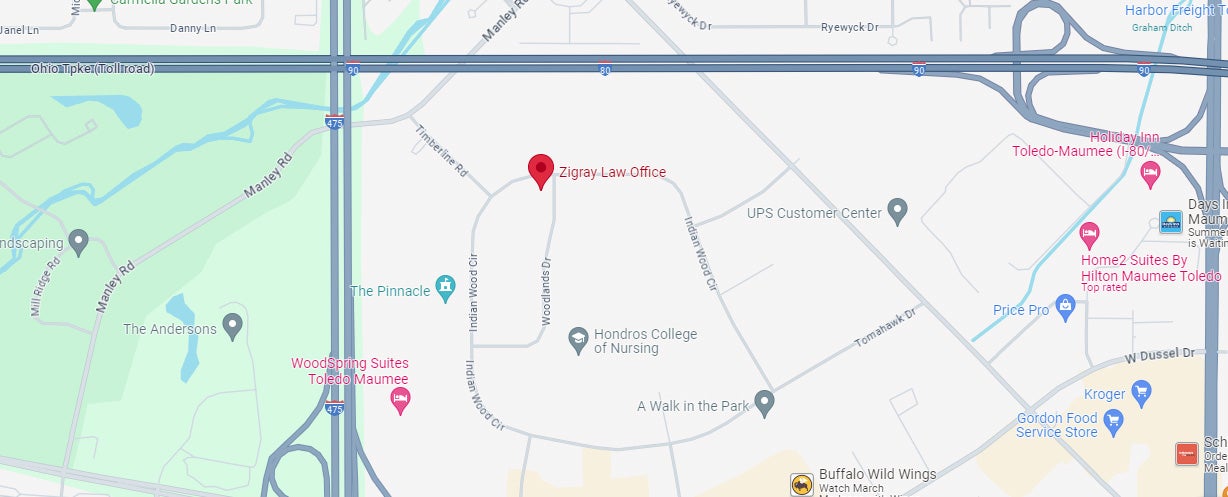
 1755 Indian Wood Circle Suite 400
 Maumee, OH 43537 Call Today 567-302-3604567-302-3676
Quick Links