On Behalf of Zigray Law Office, LLC | Jul 6, 2020 | Guardianships Many people in the Toledo area have probably used a durable power of attorney to name a loved one or other trusted person as their attorney-in-fact. In Ohio, an attorney-in-fact, which the law also calls a person agent, has a lot of power. Unless it is limited in some way, the agent will have complete access to a person’s bank accounts and other finances, and they also have the authority to conduct business and handle property on the person’s behalf. Usually, this arrangement proves quite helpful, especially if the person cannot handle his finances on his own anymore. However, sadly, sometimes an attorney-in-fact will abuse his position and start taking money and property for his own purposes, sometimes without authority to do so. In other cases, the agent me mean well enough but make lots of careless mistakes that cost a family a lot of money. Of course, if the person who created the power of attorney is competent to do so, she may always simply fire the agent by revoking the power of attorney. In other cases, though, interested parties, including a court-appointed guardian, may have to go to the appropriate court and ask a judge for an order to remove the attorney-in-fact. In order to have the attorney-in-fact removed, the person will need to show that she violated Ohio’s laws. Behavior like self-dealing, acting outside the authority given in the power of attorney, and even serious but honest mismanagement of property can be grounds for removal. On a similar note, an agent who acts in violation of the law, and causes financial damage as a result, is liable to repay the person’s estate out of her own funds. She may also be ordered to reimburse for attorney fees and costs. Other legal options may be available.
Be prepared for a family split in farm inheritance disputes
On Behalf of Zigray Law Office, LLC | Jun 24, 2020 | Farm Inheritance Disputes Fifty years of existence means 50 years of tilling your farm’s land, harvesting its crops and milking its cows. That is how long your 800-acre farm has been in the family. And you understand that the chances of it remaining in your family another 50 years seem unlikely. Still, you want to protect your farm’s legacy, your assets as well as family harmony. You wonder how to do that, especially when it comes to farm inheritance disputes. The answer: You head them off at the pass. You anticipated potential problems and unpleasant surprises upon your death, so you have created a will. Loving to feuding siblings Time and time again, loving siblings become feuding siblings with contested farm estates. However, probate litigation may be unavoidable even with a will. Problems may come to a boiling point, especially if at least one of your children has been farming the land alongside you. They may think that they are entitled to inheriting the farm, since they have helped build it, work it and invested in it – not just in labor but in the machinery, cattle and crops as well. But then the non-farm heirs desire their share, too. Selling the farm is a logical option. Or maybe during the transition after your death, your heirs decide to keep the farm as “headquarters” for annual pheasant or deer hunting trips. Still, resolution is necessary. But, in the meantime, the farm is still in operation and financial decisions must be made. If your family farm winds up in probate litigation, long-term fallout may result. Such an aftermath involving a family dispute would break your heart. Please understand that the relationships among your heirs – your children, grandchildren, nieces and nephews – may never be the same.
Wrongly left out of a will? Don’t just accept it
On Behalf of Zigray Law Office, LLC | Jun 17, 2020 | Will Contests Losing a loved one is never easy. The emotional turmoil it can cause in more than enough to contend with, but the aftermath of a loved one’s passing can become much more complicated when issues arise with their estate plan. A will may appear to have been the product of coercion or undue influence, a trust may have been created without the requisite capacity, and estate funds can be mismanaged. All of these situations can have serious ramifications for you and your family, as well as for the legacy that your loved intended. Therefore, if you think that wrongdoing has molded your loved one’s estate plan or is affecting the way that the estate is being managed, then you might want to think about seeking out legal assistance. Fortunately, the probate court allows you to challenge the validity of critical estate planning documents like wills and trusts, and you also have the ability to bring a claim for a breach of fiduciary duty. Succeeding on these matters is about much more than simply filing some paperwork, though. Instead, you need to be ready with evidence to support your case. This is where the assistance of a skilled probate litigator can come into play. These legal professionals possess a deep understanding of the law in this realm, and they know how to gather the crucial evidence you need to build a compelling case. This might include documentation like medical records, or it might simply be based on witness testimony, such as that pertaining to an individual’s history of manipulative behavior perpetrated against your lost loved one. There’s no one-size fits-all approach to these matters, though, so you need representation that will treat your case like their own, giving it the attention it deserves. So, if you feel like you were wrongly left out of a will or trust, don’t simply let it slide. On the contrary, think about reaching out to a legal professional who can give you a realistic idea of where your case stands and what your best options are moving forward. After all, that may be not only the best way to secure that to which you are entitled, but also the best way to protect what your loved one envisioned for the future.
Dying without a will in Ohio
On Behalf of Zigray Law Office, LLC | Jun 11, 2020 | Probate Litigation Most people understand the importance of a will. These legal documents outline a person’s final wishes and how they wish to divide their belongings, real estate and money among heirs. A will also names an administrator or executor, usually a close family member, who the deceased trusts to distribute those assets. So what happens when someone dies without these instructions? When a person dies without a will, they have died “intestate.” Every state in the U.S. has unique intestate laws that determine how to distribute property in the absence of a will. Ohio’s intestate laws Like most states, Ohio’s intestate laws build off the 1990 Uniform Probate Code, with some variation. When a person dies (the decedent), with or without a will, their estate enters probate court. Then an assigned administrator distributes the estate following these steps: Inventory the estate: The administrator must identify and appraise all probate assets. Non-probate assets include anything owned by the decedent with a named inheritor or beneficiary. These assets include jointly owned property like a family home, insurance policies or retirement benefits. The administrator must have all other assets professionally appraised within three months. Assemble the assets: Sometimes, other individuals may possess the decedent’s assets at the time of their death. The administrator must locate and collect all assets for proper distribution. Recovery may require one or more lawsuits. Pay debts and taxes: Creditors have six months to claim a debt from the decedent’s estate. An administrator must then pay all valid claims from the estate’s cash. If the estate does not have enough cash, the administrator will liquidate assets to satisfy those debts. If the estate still lacks funding to pay creditors, the probate court will determine priority. Distribute the remaining assets: If any assets remain, the administrator must then distribute them among surviving family members and claimants to the estate. These complex rules account for several unique arrangements of surviving family members, but the court will prioritize the decedent’s surviving spouse and children. Legal counsel can help Those whose loved one has recently died without a will may want to reach out to a local attorney familiar with probate for advice. A lawyer can help assess an estate, locate non-probate assets or help file a claim with the administrator.
Should parents split inheritance equally between children?
On Behalf of Zigray Law Office, LLC | Jun 9, 2020 | Will Contests All parents understand the importance of a comprehensive estate plan that considers the needs of surviving family members. For parents with multiple children, drafting a balanced plan is easier said than done. How does one decide what is “fair” when each of their children has different needs? Though they may be gone, however parents split their inheritance is likely to result in conflict among siblings. Surviving children may find that grieving for a parent is challenging, especially when coupled with an “unfair” inheritance. Tactics for dividing an inheritance Colleen Carcone, director of wealth planning strategies at the Teacher’s Insurance and Annuity Association (TIAA), recommends a few ways parents can build “fair” estate plans — beginning with the parents’ definition of fair: Equal-dollar distribution: Many people expecting a “fair” inheritance will balk when they see their parents left an equal-dollar distribution plan. Children who helped their parents through illness may feel they deserve more, or heirs may resent their already wealthy siblings. By need: Some siblings may need the money left by their parents, especially when compared to more financially solvent siblings. Singling out inheritors for receiving more is likely to create conflict, as some heirs may see this as punishment. Deduction of money gifted: Some estate plans deduct money already gifted to siblings previously. This inheritor will likely feel slighted. For the family business: If parents owned a family business, their children might now run it. When drafting their will, parents may consider bequeathing an increased dollar amount to the children in charge. Carcone suggests that parents should speak to their children about their end-of-life plans. Open discussion rooted in respect and a desire to do what’s best can help provide heirs a needed perspective. Making these decisions family decisions can also help repair family dynamics after the parent passes. Draft a comprehensive will with legal help Many families have found success in drafting comprehensive estate plans with help from a local attorney familiar with will and probate disputes. A lawyer can focus on the dense legal paperwork while the family can work together to divide the estate fairly.
How to save money in probate
On Behalf of Zigray Law Office, LLC | Jun 8, 2020 | Probate Litigation When a person dies, their assets enter a legal process called probate. During the process, a court looks at the deceased’s wills, trusts and insurance policies to divide an estate per the deceased’s wishes. Unfortunately, probate is not cheap. Court fees and fines stack up quickly. When combined with estate taxes and liquidating assets to pay the deceased’s debts, many beneficiaries end up feeling cheated out of their inheritance. Other parties may increase costs by contesting the probate litigation, believing they benefit instead of the party designated in the will. What can a family do to prevent these losses? Four methods for preserving an inheritance Individuals have several estate planning options that can help their families work around probate quickly and affordably. The following methods can help a family preserve what is theirs: Trusts: Setting up trusts can tuck away money or assets until after one’s death. Many different types of trusts exist to satisfy different needs. Certain trusts can make assets exempt from estate and income taxes. Joint property: An easy way to ensure a spouse or children receive specific property is by making them joint owners. People usually designate the family home or vehicles as joint property. Gifts: Savvy individuals take advantage of 2017’s annual gift exclusion tax law. Under this law, an individual may gift unlimited gifts of up to $14,000 per recipient per year, tax-free. Spouses can pool their gifts together, allowing $28,000 per recipient per year, exempt from taxes. Roth IRA: Unlike traditional retirement plans, a Roth IRA avoids tax deductions upon withdrawal by paying taxes on the amount beforehand. Additionally, a Roth IRA does not require the account holder to begin withdrawing money after a certain age. Consult with legal professionals Proper estate planning with an attorney can help avoid losses during probate. People with questions about wills, trusts or setting up an IRA can find answers with a local lawyer familiar with probate litigation.
Who has the right to contest a will?
On Behalf of Zigray Law Office, LLC | Jun 5, 2020 | Will Contests For many, the passing of a loved one can bring unforeseen conflicts that add to the grieving process. Issues may arise regarding the decedent’s estate that can create division among family members and, if these issues are not resolved, they will have long-lasting effects on relationships and possibly even financial matters. If you are having issues with a loved one’s will and you are wondering whether you have the right to seek legal action, note that there are some qualifying elements for will contests. First, whether you can contest a will depends on your standing to do so. Generally, someone with standing is someone who is already listed on the will or someone who might otherwise be a beneficiary should the will prove to be invalid. That said, beneficiaries may contest a will even if they are not a relative. They simply need to be named on the will. In addition to spouses and children, beneficiaries may include friends, organizations like charities or churches and synagogues. Why might someone challenge a will? Reasons to challenge a will vary depending on circumstance and relation to the deceased. You may believe your loved one was taken advantage of prior to updating their will, or that the will itself is fake. Arguments in contesting a will may include: Forgery Fraud Undue Influence There is a newer will that takes precedence Questions regarding the decedent’s state of mind during the drafting of the will (or, questioning their testamentary capacity) If you believe you have legitimate reasons to contest a will, understand that the process may be complicated and you will need evidence and standing on your side.
Guardianship protects your loved one who needs extra protection
On Behalf of Zigray Law Office, LLC | Jun 4, 2020 | Uncategorized The decision to seek guardianship of an adult is important. It impacts the lives of the person who needs extra care and their guardian. A guardian might be necessary when someone cannot manage their business, financial or legal matters. Parents act as the guardian of their children until they are 18. Once they reach that age, the probate court can appoint a guardian. There are several types of guardianship. Each carries different responsibilities. The guardian helps manage specific areas of a person’s life. Understanding these will make the decision and transition easier for everyone involved. Understanding the types of guardianship is important The person who needs guardianship (the ward) loses their right to act on their own behalf. It is important to understand the types of guardianships allowed in Ohio, They are: Co-guardianship. This is when the court appoints two people to make decisions. Emergency guardianship. A guardian can be appointed to prevent damage to the estate or to the ward. This can last up to 72 hours. There must be a good cause. The guardianship can be extended up to 30 days. The estate. The guardian may make all financial decisions. I When a guardian quits or is removed and immediate attention is needed, an interim can be appointed. Limited guardianship. This is guidance for one part of the ward’s life. The Person. The day-to-day decisions (except financial decisions) are handed over to the guardian. Person and the estate. This includes the authority to make almost all decisions. Acting on someone’s behalf is often necessary The appointment can take time with complications. The court determines if the ward is incapable of caring for themselves or their property. Understanding the differences and responsibilities can make your decision easier.
Should someone contest a will?
On Behalf of Zigray Law Office, LLC | Jun 1, 2020 | Probate Litigation, Will Contests There are various reasons as to why someone would want to contest a will. Maybe the person was surprised to find out that he or she has been left out of the will, or maybe the person has discovered that the will is not valid at all. Regardless of the reasons, it is important to consider the cost of contesting the will and whether it is recommended to do so or not. What to know: When someone is looking to contest a will, the person must look into the time limit that he or she has to contest it. In the state of Ohio, the time limits and procedures to contest a will is up to 3 months. Usually, the time starts to run the moment the will is sent to court. Reasons to contest One cannot simply contest the validity of the will without having a reason to do so. The most common reasons as to why someone might do this is when the person has discovered some irregularities in the will that challenge its validity. For example, one reason might be that the signature was missing or it was done with complete disregard to the proper formalities; another reason might be that the testator did not have the legal capacity to write the will; perhaps the testator was influenced by an external force that manipulated the testator into making the will in a certain way that contradicted his or her last wishes; finally, the will or some of its elements were forged or it was created fraudulently.
How can I challenge a revocable living trust?
On Behalf of Zigray Law Office, LLC | May 28, 2020 | Trust Contests Many people set up revocable living trusts to provide themselves with an opportunity to control the fate of their properties and to help their loved ones avoid probate upon their death. Assets that may go into the name of the trust include homes, accounts and even stocks. Just as they may contest a will, for similar reasons individuals may also contest a trust. There are a few things you should note if you are considering contesting a revocable living trust. First, while you may only contest a will for up to three months, Ohio allows for a two-year time window for heirs or beneficiaries to challenge a trust following the grantor’s death. You will want to speak with an attorney as soon as possible to discuss the grounds of your contest with a legal professional. What happens next? Once you are sure you are within your rights to challenge, you will need to draft a complaint that states your reasons for challenging – specifically answering the question: Why do you have rights as a beneficiary? It may also help you to know how what to expect. Challenging a revocable living trust can get quite complicated. The act of contesting a will is a challenge of the will’s validity as it resolves following a person’s death. But, in the case of a trust, you will need to prove it was invalid since the moment the trust was signed. Furthermore, the defense will have the option to use the trust assets to pay fees in defense of its validity. Do not let that discourage you from challenging a trust, however. You may have justifiable reasons and the necessary evidence to move forward.
Proving, or disproving, testamentary capacity to make a will
On Behalf of Zigray Law Office, LLC | May 19, 2020 | Will Contests As with any legal document, when creating your will the law requires that you have the mental ability to do so. This does not mean that you have to be an expert on estate planning. It means that when you draw up your will, you must understand what its terms mean for your estate after you pass away. This legal requirement is called “ testamentary capacity.” The law presumes that you had testamentary capacity at the time you created or changed your will, but someone else can challenge that presumption during the probate process. These challenges usually come from a family member, perhaps because they are unhappy with the size of their inheritance, or they are concerned that a late-in-life change to the will was not the true intention of the deceased. What can take away testamentary capacity? Factors that can impact the testamentary capacity of a testator (person who created the will) include: Dementia brought on by a disease such as Alzheimer’s Senility caused by aging Mental illness The testator being under the influence of drugs or alcohol at the time Proving testamentary incapacity can involve evidence from the testator’s medical history, as well as witness accounts of their apparent judgment, memory and comprehension at the time of the challenged will. If the probate judge determines that the testator lacked testamentary capacity, they will invalidate the will. If the testator had a previous valid will, that could be used instead. If not, Ohio’s intestate law will determine how the estate is distributed. You need legal support to get through a will challenge If you are thinking about challenging a will, or if you are the executor to a will that is being challenged, you will not have much hope of success in probate litigation on your own. An attorney who practices probate litigation will help you reach the best possible conclusion to the dispute.
A guardian may not always make care a priority
On Behalf of Zigray Law Office, LLC | May 15, 2020 | Uncategorized Many older individuals reach stages in life when they can no longer care for themselves. In some cases, it may be necessary for Ohio courts to appoint a guardian for an elderly individual to ensure that he or she receives proper care. Unfortunately, not all people appointed to this role make care their priority. It is a sad reality that elder abuse and neglect continue to take place. Older people could face physical and emotional abuse, financial exploitation and neglect from those who are supposed to ensure their well-being. Though acting as a guardian can certainly be stressful at times, it does not mean that a person in this position has the right to harm the person in his or her care or to neglect necessary care responsibilities. Some people may worry that their elderly loved ones are not receiving the proper care, but it can be difficult to know for sure. If a loved one has unexplained bruises, broken bones, red marks on his or her skin, broken glasses or other issues, those details could point to physical abuse. If a loved one becomes withdrawn or depressed or even if a person witnesses the caregiver making threats or belittling the loved one, emotional abuse may be occurring. It can sometimes be tempting to brush off such concerns as overreactions, but it is important to remember that an elderly person who needs a guardian likely cannot speak up for him or herself or may be afraid to. If Ohio residents believe that a caregiver is not treating a loved one appropriately, it may be necessary to take legal action to have that person removed from the position. This task is not always easy, so it is wise for those with such concerns to contact elder law attorneys about their legal options.
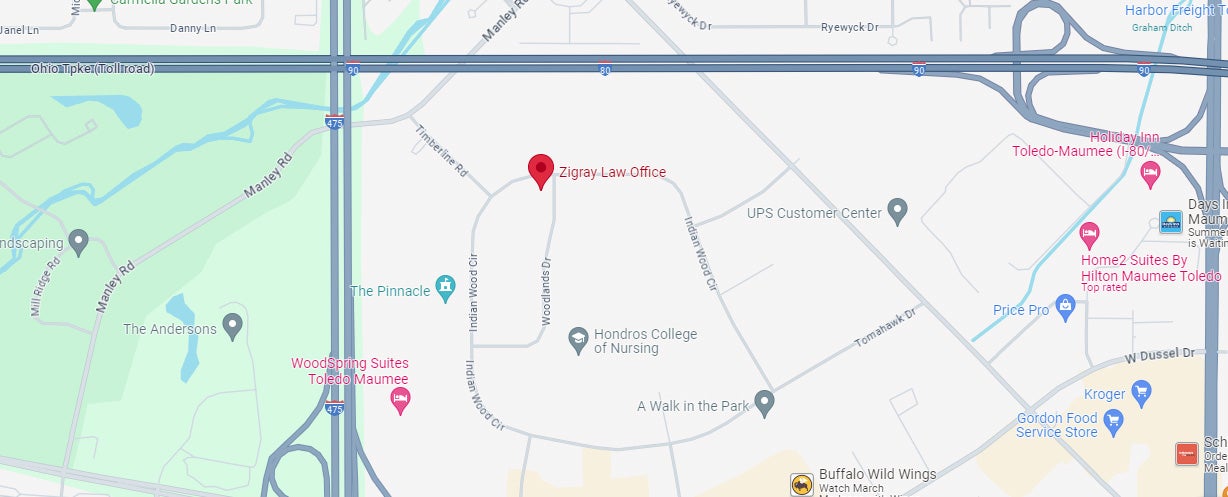
 1755 Indian Wood Circle Suite 400
 Maumee, OH 43537 Call Today 567-302-3604567-302-3676
Quick Links