On Behalf of Zigray Law Office, LLC | Nov 10, 2021 | Will Contests There are several reasons why a will can be contested. And fraud is one of them. If the will does not reflect the testator’s true wishes, it may be possible to dispute the document on grounds of fraud. The law defines fraud as intentional deception intended for individual gain. Fraud is seldom pleaded in a will contest for a couple of reasons. First, most frauds take place in secrecy. Second, the person whose wishes have been altered, the testator, may not be around to testify what their original intention was. So how do you challenge a will on the basis of fraud? There are three elements that you need to prove to contest a will on the basis of fraud. Here are these elements: Misrepresentation To prove fraud, you must demonstrate that there was a false representation with the goal that the testator will rely on that statement to create or amend their will. The element of “fraud” is often referred to as false representation, and it can come from a relative or a non-relative to the testator. Intent Intent is another key element in proving fraud in a will. Simply showing that someone misled the testator into amending their will is not sufficient proof of fraud. You must also demonstrate that the party who misled the testator intended to benefit unfairly from the said amendment. Injury Finally, to successfully prove fraud in a will, you must demonstrate that some injury occurred as a result of the fraudulent changes to the will. The injury may not necessarily mean that the testator was tricked into changing their will, but rather that the changes resulted in the intended heirs not getting what was duly meant for them. Not many things are as upsetting as realizing that your loved one has been tricked or taken advantage of. If you believe a loved one has been a victim of fraud during the estate planning process, you might want to seek professional help to ensure that justice prevails.
How can I prove probate fraud?
On Behalf of Zigray Law Office, LLC | Oct 27, 2021 | Probate Litigation While the majority of people are naturally devastated when a loved one passes on, this is not always the case for some folks. It is not unusual for some individuals to see an opportunity and attempt to reap where they did not sow by helping themselves to the deceased person’s assets and other personal possessions. Anyone can commit probate fraud, from career criminals to people who were closest to the deceased and are thus in the highest positions of trust. For instance, an executor could manipulate figures with the goal of diverting the decedent’s assets from the designated beneficiaries. The importance of staying alert when it comes to probate fraud cannot be overstated. Elements of probate fraud Here are the four elements of probate fraud that you should be on the lookout for if you suspect that something mischievous could be going on with your loved one’s estate: False statements about material facts False representations Threats of harm by the executor Withholding of vital information However, it is important to understand that not every false or inaccurate statement can be a sign of probate fraud. The falsehood must be about a specific material fact. A fact is considered material when it plays a vital role in the individual’s decision-making. A fact may be deemed material if an individual solely relied on it to act the way they did. Can you sue for false representation? Yes, you can. Probate fraud litigation occurs when an interested party makes a claim of fraud. However, to validate your claim, you must be able to provide factual evidence that backs up what you are saying. Probate fraud is a serious problem. If you suspect that’s what is happening with a loved one’s estate, act quickly to preserve your rights and the assets involved.
How someone’s debt can impact the legacy they leave behind
On Behalf of Zigray Law Office, LLC | Oct 18, 2021 | Probate Litigation Debt has a way of accruing quickly, especially when someone has limited income. Older adults are at particularly high risk for acquiring more debt than they have any means of repaying. Once someone retires, they may have a fixed income based on a pension or Social Security benefits. If their nursing home expenses or medical costs exceed that income, they might have to use credits to buy their groceries or pay their utility bills. They could also potentially accrue a substantial amount of debt to the facility where they live or to the hospital that treats them in their last days of life. As someone who should inherit assets from an estate, it’s important to understand what the debt of the deceased party might mean for your right to inheritance. Ohio creditors can bring a claim against the estate Ohio state law is clear that all creditors owed money by a deceased individual have grounds to bring a claim against that individual’s estate. Whether the debt is due to an account or from a judgment related to an injury caused by the deceased person, the right of a creditor to repayment generally supersedes the rights of family members and beneficiaries to an inheritance. The personal representative for the estate will have to repay all of the creditors who make a claim against the estate before they distribute any property to the beneficiaries listed in the estate plan. If they distribute property without repaying the debts, the creditors who don’t receive reimbursement may be able to bring a legal claim against the executor for the amount that went unpaid. Timely and accurate estate administration helps protect someone’s legacy An executor should take timely steps to repay debts and turn off accounts in the name of a deceased individual. Delays in performing these important tasks could ultimately result in higher amounts of debt that diminish what beneficiaries receive. Making sure that an executor acts in a timely manner is of the utmost importance for beneficiaries worried about losing their inheritance due to death or the mismanagement of estate assets. Knowing that you can bring a challenge against an executor who mismanages estate assets or fails to communicate with creditors in a timely manner can help you protect your inheritance.
3 common misconceptions about the probate process in Ohio
On Behalf of Zigray Law Office, LLC | Oct 14, 2021 | Probate Litigation Often, the process of probate can be time-consuming and stressful for those involved. Parties can find disputes within the process an overwhelming experience. However, many of the trying factors in probate proceedings can be the result of misconceptions. Identifying some of the common misconceptions about probate in Ohio could make the procedure more bearable. Outlined below are three of the more widely circulated misconceptions about probate. Probate fees are always extremely expensive Frequently, the fees involved in probate only take up a small percentage of the combined estate. Having said that, the more conflict involved in probate proceedings, the higher the cost is likely to be. As a result, having a solid estate plan in place could provide a means of reducing probate costs. Probate always takes years to complete Although there are certain waiting periods set aside for creditors to make claims, once all debts and taxes have been satisfied, the estate can generally be closed. In fact, attorneys frequently settle estates within a one-year period. That being said, where challenges are brought against the will or estate, or where the estate contains vast amounts of complex assets, the procedure can take longer. The state will always keep all assets Different states have various laws on probate. However, it is often the case that surviving children will inherit the estate. If no immediate relatives can be traced, then assets will commonly go to a more distant relative. As a whole, assets will only go to the state in cases where no relatives can be traced. Understanding the common misconceptions about probate could ensure that you are better placed to make plans for the future. It is important to understand that you have legal rights and protections in Ohio.
3 things you should know before you contest an Ohio will
On Behalf of Zigray Law Office, LLC | Sep 30, 2021 | Will Contests There are some very good reasons to contest someone’s will — and you may feel that you’re on solid ground with your objections, both legally and morally. Before you begin, however, there are a few key things you need to keep in mind: You need to act quickly There may be a huge emotional component to your decision, especially if you believe (or know) that your actions will either create or widen a rift between you and some of your other relatives. The prospect of all the drama and upset may have you on the fence about the issue — but you don’t have long to decide. In Ohio, you have a maximum of three months to file the appropriate complaint with the probate court. After that time elapses, you may lose your ability to contest the will forever. This will generally be an expensive process Maybe the issue is a matter of principle, and the money isn’t important. Maybe the money involved is significant. Either way, a long legal battle can get expensive, so make sure that you’re ready for the bill. To preserve the value of the estate, a lot of litigants will eventually resolve their disputes over a loved one’s will through negotiations rather than a trial. Leave yourself open to that possibility. Your relationship with the other parties will probably never be the same You may know this already — and you might not care if, for example, your stepmother never speaks to you again. Just be prepared for the fact that your entire extended family may end up taking sides. Will contests can easily create wounds in families that never heal. Contesting a loved one’s will is seldom done lightly or easily — but if you genuinely believe your loved one’s will doesn’t reflect their true intentions, you have every right to take action.
When do I need to hire a probate litigation attorney?
On Behalf of Zigray Law Office, LLC | Sep 16, 2021 | Probate Litigation Working through grief following the death of a loved one is never easy. If the deceased appointed you to be the executor of their estate, it means that they are counting on you to be able to execute their estate plan according to their wishes. However, the probate process by which a deceased’s estate gets settled can be complicated, especially if you do not understand the legal terminology involved. This is why you need to seek professional help during the probate process. To make your life as an executor easier, you should consider engaging a probate litigation attorney when dealing with the following scenarios: When there is doubt on the validity of the estate plan Most often, especially when an elderly or a mentally impaired party is involved, an estate plan can be changed under suspicious circumstances with the goal of adding or removing a beneficiary. At times, the estate plan may contain omissions or mistakes that require attention. In either of these cases, there will be a need to contest or dispute the estate plan in court. When this happens, you will need the services of an estate litigation attorney to take you through the process of contesting the estate plan. When the deceased’s party signed the plan while under undue influence Undue influence happens when an individual in a position of power takes advantage of another person. This is one of the most common reasons for contesting an estate plan. Often, undue influence usually coincides with the claim that the deceased person did not have sufficient mental capacity when signing their last will. If you have evidence that someone reigned over the deceased person when creating the last will, you can engage a probate litigation attorney to help you challenge the validity of the estate plan. Dealing with the death of a loved one while having to oversee the execution of their estate plan can be overwhelming, more so if you do not know where to begin. Without legal knowledge, you could make costly mistakes. With the help of an experienced probate litigation attorney, you can minimize the stress and ensure that your loved one’s estate plan is executed according to their wishes.
Three mistakes that can set your will up to be contested
On Behalf of Zigray Law Office, LLC | Sep 1, 2021 | Will Contests Winding up a deceased person’s estate is necessary from both legal and emotional standpoints. Loved ones need the closure that comes with wrapping up the deceased’s earthly possessions so they can move through the grieving process. And this includes attending to the practical matters of dealing with the deceased’s assets and liabilities. Creating a will is a great way of ensuring that your assets and finances are distributed according to your wishes after passing on. However, if a will has defects, someone might contest it. Here are three mistakes that can easily result in conflicts over your will. You fail to update your will following a major life event Once you have created a will, it is tempting to lock it up in some safe and throw away the key. However, it is important that you review and update your will after going through major life events like getting married, divorced or getting a child. It is also important that you update your will to reflect changes in your assets. You have more than one will It is not unusual for a person to create multiple wills during the course of their lifetime. If you have more than one will at the time of your passing, the court will refer to the latest will document when distributing your estate. However, there can be instances where old wills can cause confusion resulting in contestation. For instance, if you create a new will with misspelled names, the court can invalidate the said will. You can avoid contestation issues by destroying any previous wills. You include something illegal in the will Your will can be invalidated if you include terms that are deemed illegal. For instance, you cannot include a jointly-owned asset like a matrimonial home in the will. Also, you cannot include 401(Ks) or life insurance in your will as these documents already feature a section where you assign a beneficiary. The death of a loved one triggers a lot of changes including assigning the deceased’s assets to new owners. Usually, the deceased’s will dictates how their assets and debts are distributed. Avoiding these common mistakes can save your dependents from the pain of will contestation.
2 big reasons a trust can end up being contested
On Behalf of Zigray Law Office, LLC | Aug 20, 2021 | Trust Contests A trust contest can jeopardize your last wishes, deplete your estate and create a lasting rift in your family. Strange things happen – or rather, people act strangely – when money is at stake. A trust content can divide a family for generations. Besides, the cost of litigating a trust contest has been known to wipe out a huge chunk of an estate, leaving the dependents with nothing. A trust is contested when a lawsuit is filed to challenge the validity of its content. If the lawsuit is successful, the court is left with no option but to invalidate your trust. The last thing you want to happen after your demise is your loved ones getting embroiled in a fight over your estate. Here are two common reasons that your trust can become the subject of a legal battle when you pass on. When the trust bears the names of dead trustees or beneficiaries A trust is not a piece of document that you write and store in some safety box never to look at again. If your trustee or a beneficiary passes on, it is important that you remove their name from the trust. A trustee who was recently incapacitated should also be removed from your trust. This is also a great time to get the assurance that your designated trustees are still able, and willing, to act on your behalf. When the trustee is incompetent It is worth noting that not everyone has the competence to handle your estate. It is important that you have a trustee who understands how to manage your affairs, dispose of your estate and distribute your assets to your beneficiaries. If your chosen trustee becomes ills, moves away or is incarcerated, they may no longer be competent to handle your trust. Your chosen trustee must also be a citizen of the United States. The death of a loved one is tough enough. It is important that you review your trust from time to time to ensure that it is up to date and makes sense.
Can you contest a will with a no-contest clause?
On Behalf of Zigray Law Office, LLC | Aug 20, 2021 | Will Contests Your mom dies and leaves everything she and your dad built up together to Brad, her new boyfriend. While you are happy that Mom found happiness with a 21-year-old croupier after dad died, you are not so delighted at being cut out of the will. What is more, you are confident this is not what your father would have wanted. He would have wanted the estate to go to you and your siblings. You talk with your brothers and sisters and decide you will contest the will. Then your attorney points out your mom put a no-contest clause in. What now? Is it worth challenging a will despite an in-terrorem clause? No contest clauses or in-terrorem clauses, as they are officially known, are designed to scare you out of filing a will contest. They do this by threatening the loss of things you were due to receive if you launch a challenge. So, if everything is going to Brad, and you and your siblings will get nothing, then the only thing you have to lose is the legal expenses of the challenge. If, however, your mom left you something and contesting her will would mean forfeiting that, you need to decide whether or not the gamble is worth it. Unlike the poker table where she met Brad, it is not entirely down to chance. Typically Ohio courts uphold no-contest clauses, and unlike some states, they do not make exceptions for reasonable grounds, so you may need to look at other avenues. If, however, your mom did not include such a clause, there are various grounds on which you can seek to reclaim the estate you believe should be yours.
3 warning signs of estate planning fraud that may demand action
On Behalf of Zigray Law Office, LLC | Aug 18, 2021 | Will Contests When someone you love dies, your grief dominates the first few weeks after their passing. However, eventually, you have to start thinking about their legacy and your future. Whether you lost a spouse or parent, upholding their last wishes is typically a way to respect the legacy they wanted to leave behind in the world. However, sometimes, there are warning signs that the estate plan or last will isn’t a real reflection of what your loved one wanted. If you spot any of the three issues below, you may need to consider contesting the last will. The terms of the estate plan contradict what you know The more property and close relationships someone has, the more likely they are to talk about their estate planning preferences with the people they love. Talking things out will usually prevent conflicts because everyone knows what to expect. However, if you learn at the reading of the will that almost all of the terms contradict what your loved one expressed as their preferences during their life, that could be a reason to suspect fraud. There’s a digital estate plan with no authentication Digital technology has made access to legal information easier, but it has also made people complacent about their own legal protection. Digital estate planning documents may be convenient, but they don’t have the authentication of a notary or an attorney in many cases. Especially if a digital last will contradict previous versions of someone’s estate plan, it could be a warning sign of fraud. There are last-minute changes or surprise new documents Most people create an estate plan and then update it as necessary rather than creating a completely new estate plan when things change. Discovering a newer, unknown set of documents could be a warning sign, as could someone making changes to an estate plan in the last months of their life. For example, someone could have tricked the testator into signing a document whose contents they did not understand or could have forged their signature on completely false documents. Recognizing the potential warning signs of fraud might be a good reason to consider contesting a last will. A successful challenge might revert the estate to an earlier last will and better uphold your loved one’s stated wishes.
How to prevent your will from being contested
On Behalf of Zigray Law Office, LLC | Jul 26, 2021 | Will Contests One of the reasons that people in Ohio write their will is to lessen or eliminate the possibility of ugly, drawn-out legal arguments erupting over who gets their assets after they die. If you make the distribution of what you owned clear in your will, hopefully, that should not happen. Still, someone may come along and decide to contest your will anyway, for that or other reasons. Are there ways that you can stop it from happening? There may not be a surefire method of preventing will contests, but you can use a few avenues to make it a lot tougher for somebody to succeed or deter them before they even start a fight. Being aware of these deterrents may help you a lot later on. One of the easiest and most obvious ones is to write your will at a point in your life when no one can claim you are not competent. With that in mind, don’t put off the task of making your will! Get to it now rather than years down the line. Even if you make changes to it at some point, at least you committed your wishes to paper. Strategies you can use to make your will harder to contest Here are some ideas from experts that you might want to consider: Think about having a no-contest clause (sometimes referred to as an in terrorem clause) inserted in your will. This clause stipulates that if someone takes issue with your will with a lawsuit, they can be disinherited. Tell those close to you, such as your immediate family members, what is stated in your will. Being open bout its contents can avoid surprises for them later on. You might want to create a revocable living trust. Keep your will up-to-date. That sends a message that it accurately reflects your wishes. Consider seeking advice about making your will as challenge-proof as possible. The time and effort you invest doing this now can spare your heirs from enduring legal hassles after you are gone.
Senators want action on guardianship
On Behalf of Zigray Law Office, LLC | Jul 14, 2021 | Guardianships Two prominent senators wrote to the Department of Justice (DOJ) and the Department of Health and Human Services (HHS) last week to express concerns about the guardianship system. Guardians play a vital role in caring for an estimated 1.3 million people, yet sometimes guardians abuse their position. Due to a lack of information, there is little clear evidence to show what percentage of guardianships work and what percentage have issues. The senators want the federal authorities to step up and oversee guardianship nationwide. They want them to gather the data so that lawmakers can address issues in the system and improve life for those living under another person’s control. How can guardians abuse their position? If a family member is under guardianship, it is essential to keep an eye on things to ensure the guardian does not breach their fiduciary duty or other responsibilities. Here are some of the things to watch for: Dwindling bank accounts: Not everyone can resist the temptation of free access to funds, and a guardian may use their ward’s money as their own. Poor healthcare decisions: Do not be afraid to consult other medics if you feel the guardian’s choice of health care provider or the decisions they make are harming your loved one. Abuse: Guardians may abuse their wards in numerous ways, including physically and mentally — and their victims may not be believed. Guardians have a duty to provide annual reports to the court. If they are not, then they may be trying to hide something. Or it could be a sign they do not take their role seriously. Challenging guardianship may not be easy, but neither is watching someone you care about suffering. If you have any doubts about your loved one’s guardianship, it is crucial to understand the options available to take action.
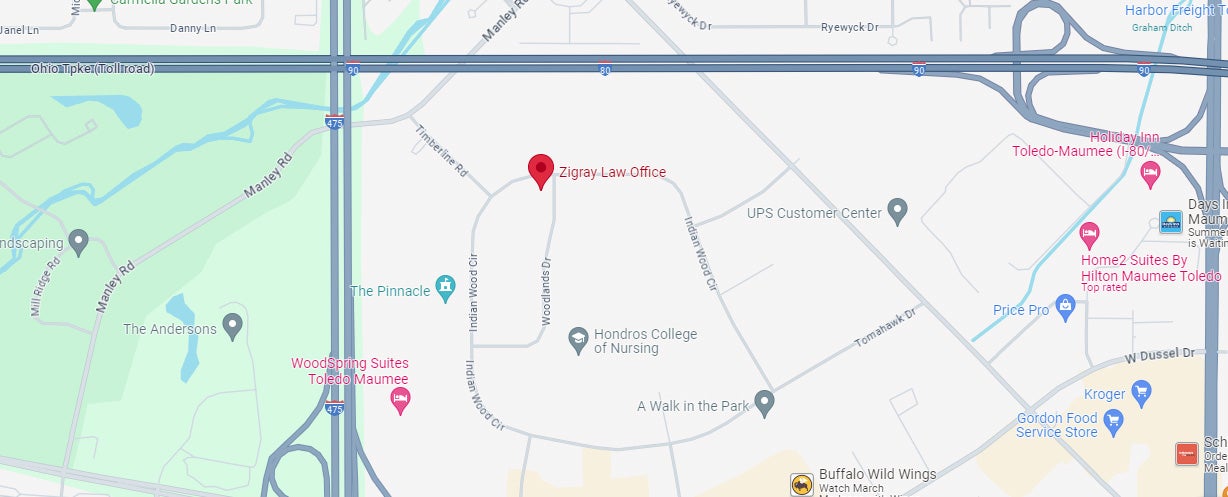
 1755 Indian Wood Circle Suite 400
 Maumee, OH 43537 Call Today 567-302-3604567-302-3676
Quick Links