On Behalf of Zigray Law Office, LLC | Oct 13, 2023 | Will Contests An individual’s estate plan essentially outlines their wishes for their legacy. The instructions that they leave for their loved ones will determine what happens to their property and also what kind of support their closest family members will receive as a result of their estate. Occasionally, those who survive a decedent will question the validity of their estate planning paperwork. Sometimes, those questions may lead to probate litigation. One of the more common reasons that families in Ohio take their concerns about an estate plan to probate court is the belief that a testator may have lacked testamentary capacity. At its most basic, the claim that someone lacked capacity means that they have experienced cognitive decline that prevents them from creating legally binding documents. In Ohio, there is a very specific standard applied in such cases. What factors determine testamentary capacity in Ohio? The Ohio probate courts have previously had to rule on cases where family members have questioned if someone had the mental acuity to put together a will. The courts recognize four standards that directly influence whether or not someone has the necessary capacity to create new documents or update existing ones. The first is that the adult understands the basic impact of estate planning and what the process means for them. That dovetails with the second, which is that the testator must understand what property will comprise their estate when they die. The third requirement is that someone must be able to remember the people they intend to name in their documents. Finally, the individual must have the ability to mentally consider their relationships with others. Cognitive decline, dementia, severe mental health challenges and Alzheimer’s disease are all conditions that may prevent someone from meeting all four of those crucial legal standards. Provided that family members can establish that someone does not meet these crucial standards, it may be possible for them to contest a will successfully and have the courts set it aside. Seeking legal guidance and learning about the specific requirements for will contests in Ohio can help families better evaluate whether pursuing probate litigation would be worthwhile given their specific circumstances.
Should you have multiple executors for your will?
On Behalf of Zigray Law Office, LLC | Sep 30, 2023 | blog, Probate Litigation When planning for the distribution of your assets after your passing, it is important to consider who will execute your will. In many cases, people choose a single executor to manage their affairs. However, there are situations where having multiple executors can be a wise decision. Preparing for probate is a necessary part of estate planning, so it is best to explore the benefits and potential drawbacks of having multiple executors for your will. The role of an executor An executor is the person responsible for carrying out your wishes as outlined in your will. They ensure the distribution of assets to your beneficiaries, the settlement of debts and the management of your affairs. Benefits of multiple executors One significant advantage of having multiple executors is the sharing of responsibility. Managing the tasks involved in executing a will can be demanding, and having more than one person can ease the burden. Different executors may also possess diverse skill sets that can be beneficial. For example, one executor might be financially savvy while another is excellent at handling administrative tasks. Considerations when choosing multiple executors While there are advantages to having multiple executors, there are also some important considerations to keep in mind: Conflict Potential The need for coordination Complexity in probate Ultimately, the choice of whether to have multiple executors for your will depends on your unique circumstances. Consider the complexity of your estate, the personalities and abilities of the individuals you have in mind and your desire for added oversight. Studies show that upwards of 68% of Americans do not have a will. Of those who do have a will, many might overlook the importance of naming an executor, let alone the possibility of naming multiple executors. Taking a thoughtful approach to your estate plan can help smooth over the probate process when you are gone.
These 3 situations are likely to cause an inheritance dispute
On Behalf of Zigray Law Office, LLC | Sep 30, 2023 | blog, Probate Litigation Inheritance disputes can arise when loved ones pass away and leave behind a will or assets to distribute among heirs. These disputes can be emotionally and financially draining for families. Inheritance disputes often result in strained relationships or even permanent rifts. While there can be various reasons for inheritance conflicts, three situations are particularly likely to cause disputes. Unequal distribution of assets When a deceased individual leaves behind a will that favors one heir over another, resentment can fester. This inequality can occur for various reasons. Some may believe that a certain sibling received more love and attention during the deceased’s lifetime. Others might feel that they contributed more to their parent’s care. Ambiguity in the will If the will is unclear or open to interpretation, family members may disagree about the deceased’s intentions. Vague terms, such as “fair share” or “valuable items,” can lead to confusion and disagreements over what exactly those terms entail. To avoid such disputes, it is essential for the will to be meticulously written, leaving no room for misinterpretation. Involvement of step-families When a deceased individual has both biological and step-children, it can lead to disputes over the division of assets. To minimize conflicts, open and honest communication among all family members is a must. Some studies suggest that there may be as many as 3 million probate cases in the United States each year. While many families experience a smooth transition through probate, it is important to acknowledge the potential for a dispute along the way.
What does a successor trustee do?
On Behalf of Zigray Law Office, LLC | Sep 1, 2023 | Uncategorized When creating a revocable living trust, the grantor or someone they can count on can serve as its trustee. However, a trustee may become unable to fulfill their duties for a number of reasons such as death and incapacity. In that case, a successor trustee can step in. What is a successor trustee? A trustee administers trust assets and disburses them to beneficiaries in accordance with the grantor’s wishes. The grantor can act as the initial trustee, or they can choose someone they have confidence in such as a sibling or a friend. However, a trustee may become unfit to serve if they die, become incapacitated or breach the trust document. Without a trustee, the trust’s assets will be left unmanaged and may stop the beneficiaries from receiving what is due to them. Fortunately, the grantor can avoid this by naming a successor trustee. This person can take over and carry out the responsibilities the grantor left for them in the Declaration of Trust. Responsibilities of a successor trustee The Declaration of Trust is a document that says what the trustee is responsible for and how much power they have. It also inventories the assets held in the trust and how to administer them. Generally, the successor trustee carries out the same responsibilities as the initial trustee. They bear the responsibility of overseeing the trust’s assets and distributing them to the named beneficiaries with as little waste and loss as possible. The duties of a successor trustee often include the following: Notify the family, beneficiaries and financial institutions of the grantor’s passing Provide beneficiaries with copies of the Declaration of Trust Work with the executor of the grantor’s estate to settle any outstanding debts Account for any expenses paid using the trust Close the grantor’s accounts if they are no longer necessary Distribute the assets of the trust to beneficiaries as per the grantor’s instructions Grantors may rest easier if they have a successor trustee. Knowing that no matter what happens, their loved ones will have support, can be a comfort.
What happens if a testator lacked capacity when creating their will?
On Behalf of Zigray Law Office, LLC | Aug 11, 2023 | Will Contests Family members and beneficiaries sometimes worry that the will someone has drafted isn’t accurate and legally valid. One of the more common concerns has to do with someone’s testamentary capacity or legal ability to enter a binding agreement. The effects of age often lead to issues with memory and cognition that diminish someone’s ability to create legally binding testamentary paperwork. Older adults are more vulnerable to pressure from outside parties and might make changes to estate planning paperwork later in life that seemingly contradict their long-standing preferences. They might also fall into unhealthy patterns of thinking that ultimately influence what they believe should happen with their legacy. What happens if family members believe that someone lacked testamentary capacity when they drafted or revised their estate planning paperwork for the last time? The family may initiate probate litigation Provided that family members have some kind of evidence to support their claims, they might be able to go to probate court and ask a judge to intervene when an estate plan seems to be the result of someone’s declining cognitive ability and not their true lifelong wishes. Those asking the courts to set aside a will or similar documents need evidence to convince a judge that doing so is appropriate. Medical records showing that someone had debilitating conditions, like dementia, can help. So could financial records showing that an individual was incapable of managing their own resources or the testimony of witnesses who can affirm that someone no longer had the same rational approach to personal matters in their last months as they did throughout most of their life. Provided that the courts agree with the claim that someone lacked capacity at the time that they drafted or updated their documents, the courts may invalidate or set aside those documents. They may either defer to older estate planning paperwork or apply intestate succession laws that determine how people divide the property of those who die without a will. Although it can delay estate administration, going to probate court over concerns about someone’s capacity and last wishes could help uphold their desired legacy when there are questions about their final documents. Understanding the value of going to probate court may help those who want to see their loved one’s wishes upheld to make informed decisions about their options.
Guardianship in Ohio: Can we request to change the guardian?
On Behalf of Zigray Law Office, LLC | Aug 7, 2023 | Guardianships When our loved ones become incapable of caring for themselves, whether because of old age, mental impairment or physical disability, among other reasons, we want to ensure that they are receiving the care and protection they need. One of the ways to secure their safety is to place them under guardianship. Unfortunately, some guardians take advantage of their wards’ vulnerability. If this happens, acting fast and removing loved ones from the abusive guardian’s charge is essential. Suspecting financial and physical elder abuse Putting an individual under guardianship includes surrendering control to the guardian to make decisions about the ward’s medical care, finances and other decisions relevant to the ward’s overall well-being. Sadly, some guardians use their authority and the ward’s vulnerability to misuse assets for their own benefit. Signs of financial abuse include unusual fund or property transfers, unpaid bills and services or other unexplained activity that poses a risk to the ward and their assets. Other signs of elder abuse can manifest in obvious and subtle signs of physical mistreatment. Signs like malnutrition and dehydration, isolation and changes in behavior can point to the guardian’s failure to perform their duty to care for the ward. What can you do? If you have suspicions that your ward’s guardian is misappropriating the financial assets or physically abusing your loved one, your initial step should be to report the abuse to the appropriate protective services or law enforcement agency. Subsequently, you can ask the court to remove the guardian and appoint a new one who is trustworthy. However, the court does not automatically enforce the removal and new appointment. The court will hear the case to determine whether the guardian is unfit for the position and whether it is in the ward’s best interest to have a new guardian. Hence, providing relevant proof and information about the abuse can help the court decide.
What to do when an executor fails to communicate
On Behalf of Zigray Law Office, LLC | Jul 12, 2023 | Uncategorized When your loved one’s will goes to probate, the executor will be responsible for most of the procedures. Accordingly, they should communicate effectively to keep interested parties (beneficiaries, creditors and so on) updated on major matters. If they fail to do so, problems may arise. Here is what to do when an executor fails to communicate: Contact them If an executor is not keeping you reasonably informed, you and other interested parties should contact them. You can send a collective email or letter requesting them to provide adequate information about the estate’s administration. At times, what you consider reasonable information may differ from the executor’s belief – they may be uncertain about what to share and what not to. Accordingly, they may fail to provide you with a piece of information, thinking it’s insignificant. Communicating with them can help them know the matters they should discuss in-depth. Go to court If the executor refuses to provide you with information about the probate process despite requesting them, it may help to go to court. The probate court may ask them to fulfill their duties. Remove them If an executor fails to fulfill their duty to communicate even after being asked by the court, you can file a petition to remove them. The court will consider different factors before deciding to remove them. And when they do, they will choose an appropriate party to administer the estate. Why should executors communicate? When an executor fails to communicate, beneficiaries can believe they are committing fraud. And this fear of misconduct can increase when they don’t get answers. This can lead to disputes, which can delay the distribution of inheritance. If an executor refuses to communicate, it will help to get legal guidance sooner to make informed decisions.
Reasons to challenge a trustee
On Behalf of Zigray Law Office, LLC | Jun 29, 2023 | Trust Contests Trustees hold enormous power over your financial future. If they make wise decisions, it can ease your financial future. If they make poor ones, you could see your inheritance withered away to nothing before you know it. If you keep an eye on the decisions they make, you may notice things you are unhappy about. Does this mean you can seek to have the trustee removed? You may be able to if one of the following is true: They are unable to do the job This would typically refer to a trustee having a medical condition that prevents them from fulfilling their role effectively. For example, they suffered brain damage in an accident and now lack the ability to reason which got them the role in the first place. It might also come into play if one of them no longer has the time to dedicate to the role. Perhaps they have become too busy, or have moved to another country with less facility to carry out the tasks they must do. They cannot work with the other trustee(s) Some people choose multiple trustees. It can offer security, as they provide an automatic check on each other’s decisions. Yet, sometimes two or more trustees disagree so much that they cannot actually make the decisions needed. In this case, you may look to replace one, or all of them. They have breached their fiduciary duty Perhaps you suspect a trustee has ulterior motives for their decisions, such as turning a profit for themselves or a friend. Clearly this is unacceptable. Removing a trustee can be challenging, so consider legal help to examine your options and chances of success more closely.
2 Warning Signs Of Executor Embezzlement
On Behalf of Zigray Law Office, LLC | Jun 19, 2023 | Probate Litigation The executor or individual taxed with estate administration has a lot of responsibilities. They have to attend court, file paperwork, communicate with creditors and manage estate resources. Their responsibilities may take more than a year to complete after someone dies, and they may commit many hours of effort for multiple successive months to complete the probate process. Most individuals who accept an executor role will do their best to uphold someone’s last wishes and fulfill their final obligations. However, there are some people who will misuse their position of authority for personal gain. Family members may eventually come to suspect that an executor has embezzled from an estate, which is against Ohio law and may warrant their removal from the position. These are some of the most common warning signs of embezzlement of estate resources. Missing Physical Property Especially when the beneficiaries of an estate frequently visited someone’s home and had a close relationship with them, they will typically know what physical assets someone had in their possession when they died. When particularly valuable property, like works of fine art, certificates of deposit or jewelry go missing, family members may have reason to suspect that the executor is the one who has taken those assets or at least failed to secure them so that others would not steal them from the estate. Gaps In Financial Records There should be documentation of every transfer made and bill paid on behalf of the estate. Cash withdrawals from bank accounts and other questionable transactions, especially when the executor or someone close to them was the recipient of the funds, could be a warning sign that someone has abused their position of estate authority with the intention of enriching themselves. There should be receipts and records for all distributions and payments using estate assets. Those who handle estate administration have a responsibility to the beneficiaries of the estate to act in their best interests and to maximize the value of the estate assets whenever possible. Misconduct like embezzlement and overt incompetence that leads to a significantly diminished estate could both be reasons for beneficiaries to initiate litigation against an executor. Reviewing estate records can help people identify warning signs that an executor may have embezzled and should therefore be removed from their position.
What Are Valid Grounds To Contest A Will?
On Behalf of Zigray Law Office, LLC | Jun 15, 2023 | Will Contests When a will is drafted, the person responsible for it expects his or her wishes to be fulfilled. However, a legal heir or beneficiary with a financial interest in the will may contest it if there is a valid reason for doing so. For example, Ohio law has strict requirements on what makes a will valid or not, and a will that doesn’t conform to those standards can be contested. 3 Examples Of Good Reasons To Contest A Will A person should not contest a will simply because he or she disagrees with it. Instead, there must be a valid reason for doing so such as the following: 1. Undue Influence When a testator (the person who has made the will) is put under extreme pressure for financial gain through the terms of the will, there is undue influence. 2. Fraud Fraud (or suspicion of fraud) is one of the principles reasons people choose to contest a will. For example, someone may fraudulently lead the testator to sign a will when he or she thought they were signing another document altogether. 3. Lack Of Mental Capacity The testator must possess the mental capacity to understand the terms of the will being signed. Otherwise, this may invalidate the will altogether. Other reasons to contest a will can include legal mistakes, forgery, or revocation of the will when a new one is executed. Furthermore, a will must meet the state’s legal requirements to be valid. For example, in Ohio, wills must be in writing with the exception of oral wills. There must also be at least two competent witnesses who can attest to the validity of the will. It is important to be well-informed when considering whether to contest a will or not. It also makes good sense to get legal help to make the right decision.
Is The Deceased’s Second Family Entitled To Any Inheritance?
On Behalf of Zigray Law Office, LLC | Jun 4, 2023 | Will Contests In the unfortunate event of a person’s death, questions regarding inheritance and the rights of family members often arise. One common concern is whether the deceased’s second family is entitled to any inheritance. This is where effective estate planning comes in; it’s instrumental in determining how a person’s assets will be distributed upon their death. Estate planning involves creating a legally binding document, such as a will, that outlines the deceased’s wishes regarding their estate. It allows individuals to specify who should inherit their assets, including their second family. Proper estate planning can help prevent disputes and provide clear guidelines for property division, minimizing potential conflicts between family members. The Second Family Can Inherit If The Deceased Included Them In The Will A will is crucial when determining the distribution of a deceased individual’s assets. It outlines their wishes and designates beneficiaries who will inherit specific estate portions. Suppose the deceased had a second family and included them in the will. In that case, they would be entitled to their designated share of the inheritance. However, the situation becomes more complex if the will does not mention the second family or is invalid. Intestate Laws Give The Second Family Leeway In the absence of a valid will, the distribution of assets is governed by intestate succession laws. According to Ohio’s intestate law, all legal spouses and biological or legally adopted children are given priority in inheritance claims. On top of that, suppose the surviving spouse is the natural or adoptive parent of the deceased. In that case, they’re entitled to the first $20,000 plus a third of the estate balance. In addition, the deceased surviving spouse and children are also entitled to a $40,000 allowance deducted from the estate before inheritance allocation. “What if there’s no mention of the second family in the will?” you may ask. Well, in that case, the surviving spouse can elect against the will and receive their inheritance according to Ohio’s elective share statute. Essentially, the deceased is treated as having died without a will, in which case, the intestate laws apply. Due to the complexity of inheritance laws and the potential conflicts that may arise, it is crucial for families to seek legal advice when distributing the deceased’s assets. By carefully considering various legal factors, you can help ensure the process is smooth and peaceful.
What If There Are Multiple Wills When Someone Dies?
On Behalf of Zigray Law Office, LLC | May 22, 2023 | Will Contests Have you ever wondered what happens when multiple wills are involved after someone dies? It can be a complicated and confusing situation, especially for those left to sort out the deceased’s affairs. A will should outline a person’s wishes for the distribution of their assets, property and other belongings. This means that more than one will can create a legal conundrum, especially when the two documents have contradictory directives. If this is your family’s current predicament, this article will provide much-needed enlightenment to navigate this situation. What Are The Legal Implications Of Multiple Wills? Multiple wills can arise due to various reasons, such as a change in circumstances, a desire to update or revoke an existing will or a lack of clarity around the distribution of assets. When there are multiple wills involved, it can create a complex and confusing situation for the executor of the estate and the beneficiaries. First off, the validity of each will may become questionable until the one true document is identified. A will may be invalid if it was created under duress or coercion or if the person lacked the mental capacity to make decisions when creating the will. Beneficiaries may contest the validity of either will, particularly if they feel they have been excluded or treated unfairly. It’s important to note that contesting a will can lead to lengthy legal proceedings and may be emotionally and financially draining. While multiple wills complicate estate distribution, it’s not an impossible situation. If you are in this dilemma, you should stay calm and focus on your role as an executor. As legal concerns arise, it’s crucial to establish a strategic approach that won’t break the family unit.
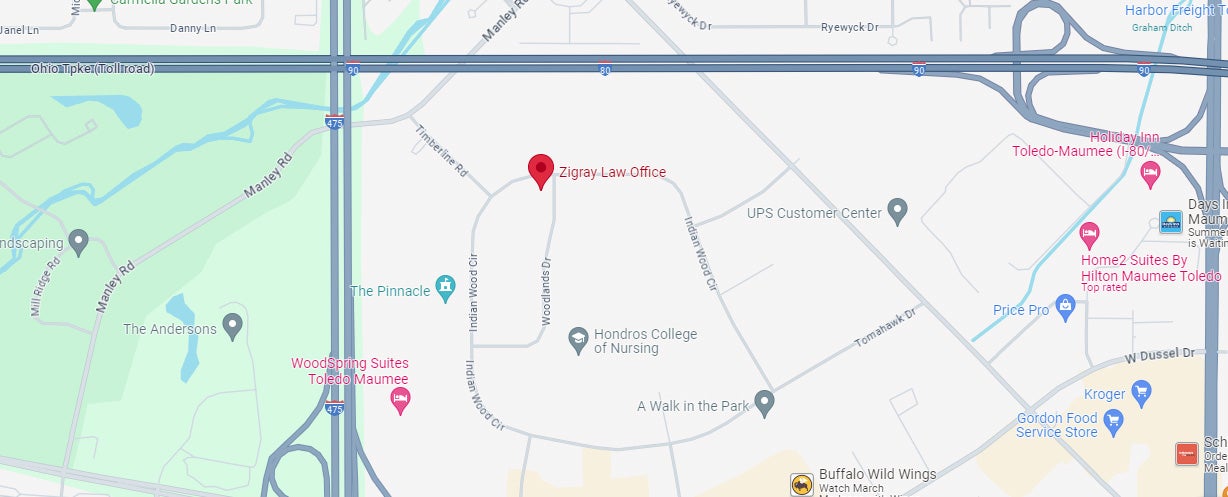
 1755 Indian Wood Circle Suite 400
 Maumee, OH 43537 Call Today 567-302-3604567-302-3676
Quick Links